
Yaupon holly
Ilex vomitoria Sol. ex Aiton
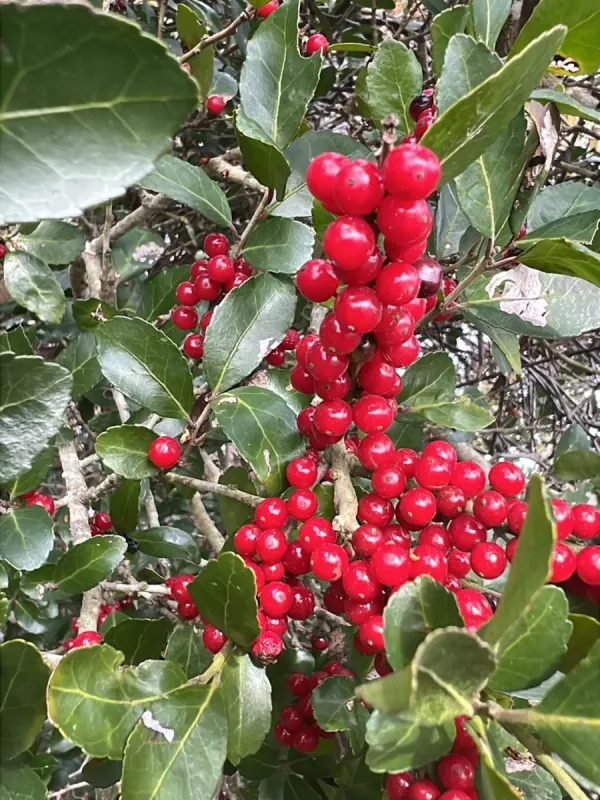
Description
Sowing dates
Propagation of Yaupon holly is primarily achieved through seeds or stem cuttings. Seeds have a deep dormancy and require a lengthy cold stratification period under moist conditions to successfully germinate and break the cycle of natural growth inhibition.
Sowing in nursery settings is typically conducted during the autumn or winter months to allow for natural chilling. When propagating by cuttings, semi-hardwood segments are selected to ensure high survival rates and rapid root development.
Young plants are transplanted into the field during the spring once the risk of frost has passed. Ensuring the root ball remains intact and adequately hydrated during this transition phase is critical for establishing a successful plantation.
Planting density is determined by the intended harvesting method; for mechanical harvesting, row spacing is designed to accommodate specialized equipment while maintaining optimal air circulation between the shrubs.
Initial irrigation is necessary to support the establishment of young shrubs. As they mature, Yaupon holly becomes remarkably drought-tolerant, though supplemental water is often provided to boost foliage biomass production.
Growing requirements
Yaupon holly is an evergreen shrub belonging to the Aquifoliaceae family, native to the southeastern United States. It thrives in well-drained, acidic sandy soils that are rich in organic matter and nutrients.
This crop is highly adaptable, showing strong growth in both full sun and partial shade environments. Higher light intensity generally promotes higher yields of foliage and increases the synthesis of bioactive compounds like caffeine.
It prefers a temperate to subtropical climate with mild winters and warm growing seasons. While the plant can tolerate light freezes, consistent growth requires temperatures between 20°C and 30°C during the active vegetative period.
Soil management requires maintaining an acidic pH between 5.0 and 6.5. Regular fertilization with balanced nitrogen-rich compounds is essential to stimulate the production of thick, healthy leaves that are harvested for tea.
Yaupon holly is unique as North America’s only native caffeinated plant, making it a highly attractive agricultural candidate for producers looking to develop local, organic, and sustainable specialty products.
Yield
Yields are primarily determined by the age of the plantation and the frequency of pruning. Once established, plants enter a long-term production phase, providing consistent foliage harvests for several decades if managed properly.
The implementation of intensive pruning techniques is vital for maximizing production. Regular cutting encourages branching and keeps the shrubs at a manageable height, which significantly increases the density of harvestable material.
Average annual yields per hectare fluctuate based on local climate conditions and management practices. However, mature, well-tended plantations can produce substantial quantities of green biomass suitable for commercial processing.
The time of harvest is a strategic decision for growers, as phytochemical concentrations change seasonally. Harvesting during peak growth stages ensures the highest levels of caffeine and beneficial antioxidants in the final product.
Post-harvest processing involves cleaning and carefully drying the leaves to preserve their nutritional profile and flavor, ensuring the final output meets the standards for the specialty tea market.
Main diseases and pests
Yaupon holly is naturally resistant to many pests and diseases, which is a significant advantage for organic farming. However, issues can arise if the soil remains waterlogged or if drainage is inadequate.
Leaf spot diseases are the most frequent concern, often occurring in poorly ventilated or excessively humid conditions. Proper pruning and weed control help improve airflow and significantly reduce the likelihood of fungal infections.
Aphids and scale insects represent the most common pest threats, targeting young, tender leaves. Integrated Pest Management (IPM) strategies, including biological controls, are effective at maintaining these populations below economic injury thresholds.
Powdery mildew may occur in overcrowded plantations with high humidity. Maintaining proper spacing and regular sanitation help to prevent the development of these pathogens, ensuring the health of the entire crop.
Regular field scouting is recommended to monitor for early signs of infestations or disease. Proactive management ensures the longevity of the shrubs and protects the commercial viability of the plantation.
Harvesting
Harvesting is typically mechanized, utilizing custom-built mechanical trimmers that prune the upper layer of the canopy. This method is highly efficient, allowing for large-scale operations while simultaneously shaping the shrubs.
Collected foliage is processed to remove woody stems and debris. High standards of cleanliness during this stage are crucial for the production of premium-grade Yaupon tea, ensuring a pure and clean flavor profile.
Drying is performed using controlled-temperature ovens, which prevent the degradation of heat-sensitive compounds. Maintaining specific temperature parameters is essential for retaining the distinct color and antioxidant properties of the leaves.
Some production lines incorporate fermentation, a process that alters the color and depth of flavor in the tea. This stage requires strict control over environmental humidity and time to ensure a consistent and high-quality final product.
The finished product is packaged in airtight, opaque containers to minimize exposure to air and light, preserving the delicate essential oils and chemical stability of the Yaupon leaves during storage and distribution.