
Japanese holly
Ilex crenata Thunb.
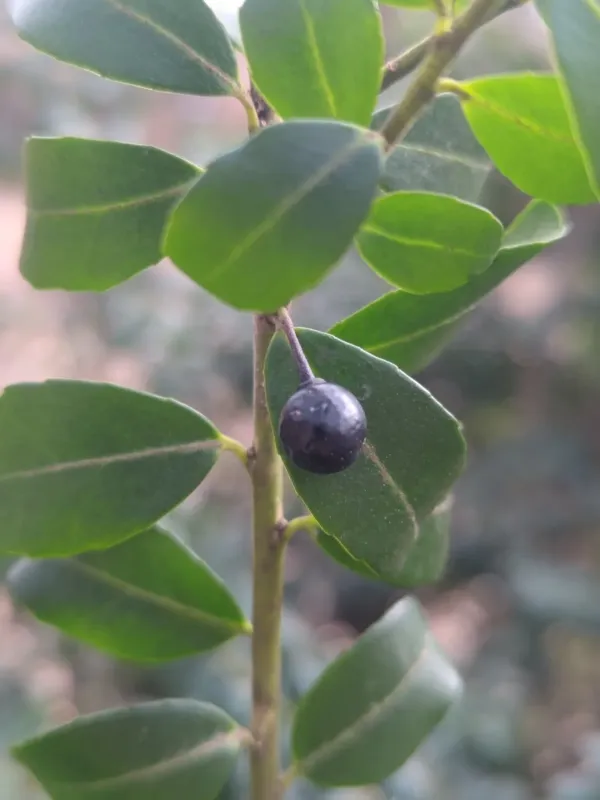
Description
Growing requirements
Japanese holly (Ilex crenata), belonging to the Aquifoliaceae family, is a native evergreen shrub of East Asia. Its morphological characteristics, such as small, crenulated leaves, make it an excellent choice for ornamental gardening and high-density landscaping.
The plant thrives in well-drained, acidic soils with high organic matter content. It is sensitive to alkaline conditions, which often cause iron chlorosis, manifesting as yellowing of the foliage, and poor growth performance.
Climatic requirements focus on temperate zones with consistent moisture levels. While hardy, the plant benefits from protection against desicating winter winds, which can lead to leaf burn and twig dieback in exposed nursery or garden locations.
Cultural practices include regular pruning to maintain the plant's shape and density. Pruning is best performed during the active growing season, which encourages the development of dense, uniform branching structures essential for topiary.
Economically, Ilex crenata is highly valued for commercial nursery production, particularly for hedges and container gardening. Its ability to mimic boxwood while being resistant to box blight has significantly increased its market demand.
Main diseases and pests
The most significant pathological threat is Phytophthora root rot, which typically occurs in compacted or waterlogged soils. This disease is difficult to treat once established and often necessitates the removal and replacement of the infected plant.
Pests commonly affecting Japanese holly include spider mites, particularly in dry conditions, and scale insects that colonize the branches. These pests deplete nutrients and can lead to secondary infections or general decline in plant vigor.
Integrated Pest Management (IPM) strategies are recommended, utilizing biological controls or targeted chemical applications during the peak activity of the pests. Monitoring foliage for early signs of infestation is critical.
Cultural prevention includes maintaining appropriate spacing between plants to improve airflow and reduce humidity levels within the canopy. Proper irrigation timing, preferably in the morning, reduces the period of leaf wetness.
Regular sanitation measures, including the removal of dead or diseased branches, help in maintaining the overall health of the nursery stock and preventing the spread of opportunistic fungal pathogens.