
American holly
Ilex opaca Aiton
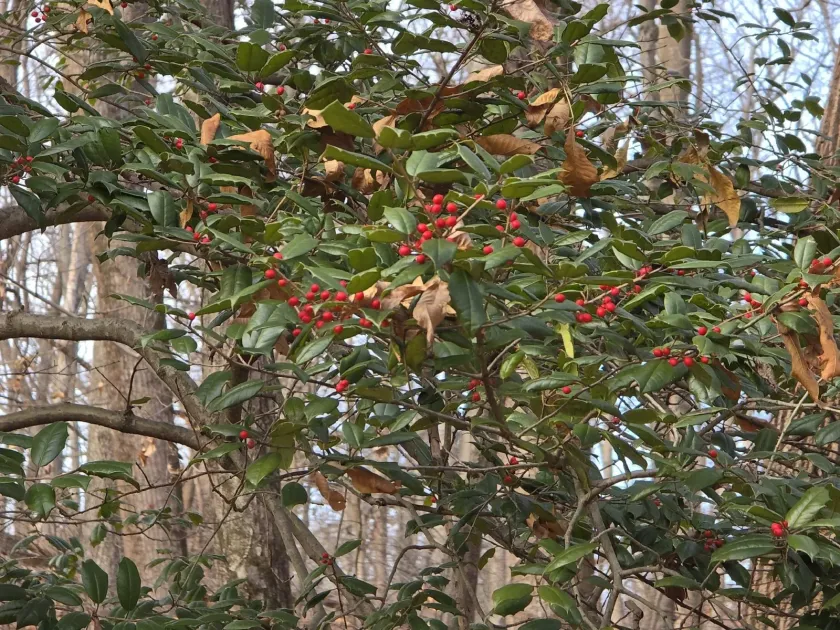
Description
Sowing dates
Propagation of Ilex opaca is most successful through vegetative cuttings. Semi-hardwood cuttings should be taken in late summer to early autumn, treated with rooting hormones, and placed in a high-humidity environment.
Seed propagation is a lengthy and unreliable process. Seeds typically require a cold stratification period of at least one to two years to break their natural dormancy before they will germinate.
When selecting a propagation medium, it is critical to choose an acidic, well-draining mix such as peat moss combined with perlite to prevent root rotting, which is common in newly struck cuttings.
Young plants should be transplanted to their permanent locations during the spring season. This timing allows the root system to establish itself before the stress of winter cold or summer heat arrives.
As dioecious plants, it is essential to ensure that both male and female specimens are present in the planting area. Without a nearby male pollinator, female trees will fail to produce their signature red berries.
Growing requirements
The American holly (Ilex opaca) is a broadleaf evergreen member of the Aquifoliaceae family. It is native to the eastern and south-central United States, typically found in moist, deciduous forests.
The plant thrives in deep, fertile, and slightly acidic soils. If the soil pH is too high, the plant will struggle to absorb necessary nutrients, leading to yellowing of the leaves, known as chlorosis.
While the tree is relatively adaptable to various lighting conditions, it performs best in full sun to partial shade. In intense heat, some light afternoon shade can protect the leaves from scorching.
Watering requirements are moderate but consistent. The soil should remain moist but never waterlogged, as stagnant water is detrimental to the health of the root system and can encourage fungal pathogens.
Protection from drying winds is a critical maintenance factor, especially in northern regions of its hardiness zone. Wind exposure during winter can cause significant leaf desiccation and branch dieback.
Yield
Ilex opaca serves multiple roles in the landscape, primarily as a high-value ornamental specimen. Its thick, spiny foliage provides year-round privacy screens and aesthetic appeal in gardens.
The tree provides an essential ecological function as a food source. The bright red drupes are a primary winter food for many bird species, including songbirds and game birds, supporting local biodiversity.
The wood of the American holly is highly prized by craftsmen for its fine, white, and even texture. It is frequently utilized in specialized woodworking, such as inlay work, turning, and musical instrument components.
Cut branches are a staple of the floral industry, particularly during the holiday season. The combination of dark, waxy green leaves and vibrant berries is iconic in winter interior decorations and wreath making.
With proper pruning and care, a mature American holly can yield a substantial amount of decorative foliage. Periodic thinning of the branches helps maintain a balanced shape and encourages more vigorous new growth.
Main diseases and pests
Scale insects are among the most persistent pests affecting Ilex opaca. These insects attach themselves to stems and foliage, extracting sap and leaving behind honeydew that fosters sooty mold growth.
Spider mites are common during periods of high heat and low humidity. Their feeding results in a mottled, grayish appearance of the leaves and can lead to premature leaf drop if not addressed promptly.
Leaf miners can create characteristic winding tunnels within the leaf tissue, which reduces the plant's aesthetic value and overall vigor. Selective removal of affected leaves is a common control tactic.
Root rot is the most serious disease threat to holly trees, typically resulting from poorly drained soil or excessive irrigation. Once a root system is severely compromised, the tree rarely recovers.
- Monitoring for early signs of scale or aphid infestations.
- Applying horticultural oils in the dormant season to manage overwintering pests.
- Ensuring adequate spacing between plants to allow for proper air circulation.