
Chinese holly
Ilex cornuta Lindl. & Paxton
Description
Growing requirements
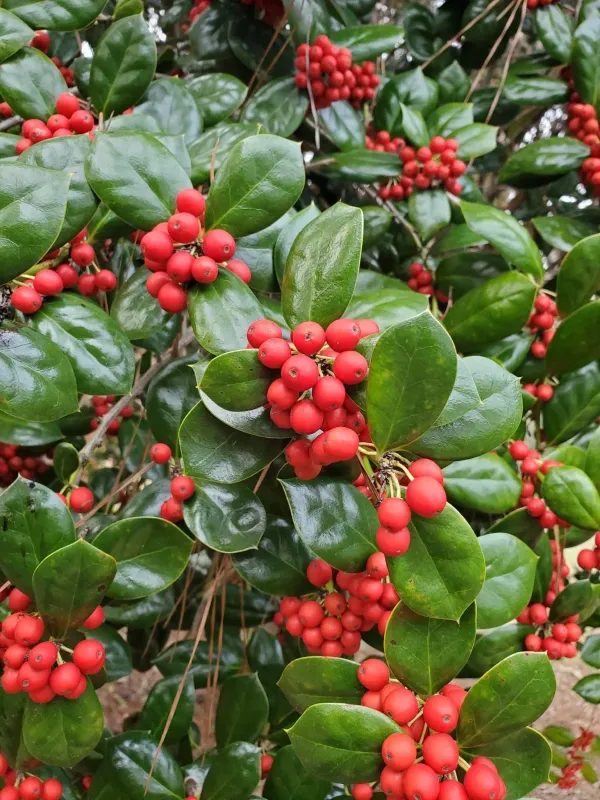
Chinese holly (Ilex cornuta) is a prominent evergreen shrub belonging to the Aquifoliaceae family. Native to eastern China and Korea, it has become a popular ornamental species in many temperate and subtropical regions of the world due to its striking appearance.
The plant thrives in well-drained, fertile soil with a slightly acidic to neutral pH level. It is essential to ensure that the planting site has an efficient drainage system, as the root system is highly susceptible to rot when exposed to waterlogged soil conditions for extended periods.
Climatically, this species prefers warm environments and is relatively hardy, though it benefits significantly from being shielded from freezing winter winds. In areas with harsh winters, protection measures are recommended to prevent leaf desiccation and branch dieback.
General maintenance practices for Chinese holly include regular watering during dry spells and the application of a balanced slow-release fertilizer during the early spring growing season. This ensures healthy leaf development and boosts the production of its signature bright red berries.
The economic value of this crop is primarily found in the landscape industry. Its thick, glossy leaves and distinctively shaped spines make it an excellent choice for ornamental hedges, specimen planting, and sophisticated topiary designs in public and private gardens.
Main diseases and pests
The primary pests affecting Ilex cornuta include scale insects and aphids, which feed on the sap and can lead to stunted growth. Integrated pest management strategies, including the use of horticultural oils, are effective in controlling these infestations.
Pathogenic threats include leaf spot and root rot, which are often triggered by improper moisture management. Maintaining good air circulation within the shrub canopy and avoiding overhead irrigation during humid weather significantly reduces the risk of these diseases.