
Common holly
Ilex aquifolium L.
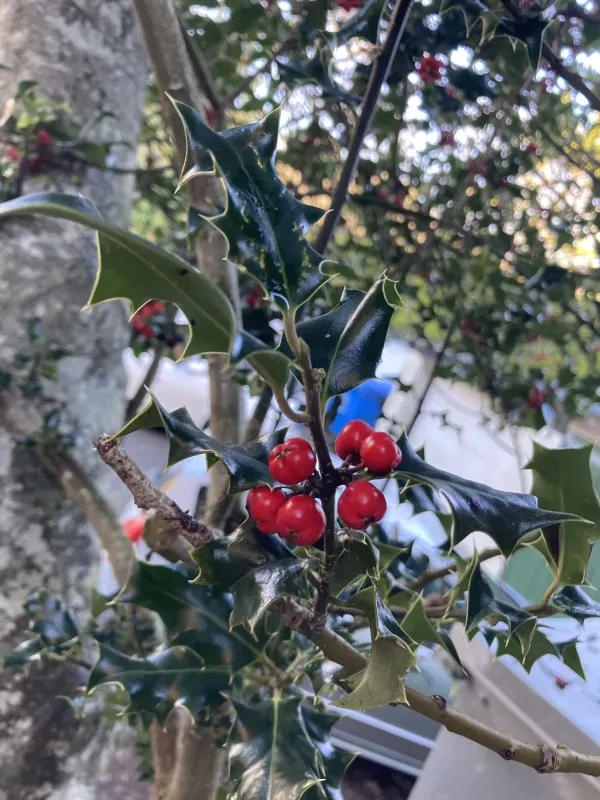
Description
Sowing dates
Propagation of Ilex aquifolium is primarily achieved through seeds or stem cuttings. Seeds have a natural dormancy period, requiring a long stratification process of 12 to 18 months before they are ready to germinate.
When sowing seeds, it is critical to use a well-draining, nutrient-rich substrate and maintain consistent moisture. The germination process is slow, so patience is required during the first stages of seedling development.
For gardeners looking to preserve specific cultivars, semi-hardwood cuttings are the preferred method. These cuttings should be taken in late summer or early autumn and treated with rooting hormones to ensure successful propagation.
Once established in nursery containers, young plants should be protected from extreme temperature fluctuations. Transplanting into the landscape is best performed in the spring when the soil has warmed.
Spacing requirements vary depending on the intended use; however, for hedging, plants are typically set 50–70 cm apart to ensure that individual shrubs have enough space to mature while forming a dense barrier.
Growing requirements
Common holly is a prominent member of the Aquifoliaceae family. It is native to temperate regions of Europe, North Africa, and Western Asia, where it thrives in moist, woodland environments.
The ideal growing conditions include acidic to neutral, humus-rich soil that offers excellent drainage. While tolerant of various soil types, waterlogged conditions must be avoided to prevent root diseases.
This species performs best in semi-shaded locations. While it can tolerate full sun in cooler climates, direct sunlight in hot summers can cause leaf scorch, particularly in variegated varieties.
Routine maintenance includes annual mulching to retain soil moisture and stabilize temperature. Fertilizer application in early spring supports healthy foliage production and maintains the plant's evergreen characteristics.
Pruning is a significant aspect of holly maintenance. The species is highly tolerant of shearing, making it a favorite for topiary, formal hedges, and intricate architectural garden designs.
Main diseases and pests
Fungal issues, particularly powdery mildew, are common during periods of high humidity and poor air circulation. Improving site conditions and using targeted fungicides can manage these infections effectively.
Root rot caused by Phytophthora species is a serious threat, usually resulting from poor soil drainage. Prevention is key; ensure that planting sites have adequate aeration and do not pool water.
Pests such as scale insects and aphids can occasionally infest the undersides of the leaves. Regular inspection and the use of horticultural oils can keep these populations below the damage threshold.
Leaf miners can cause unsightly tunnels within the leaf tissue, reducing the plant's decorative value. In cases of severe infestation, systemic insecticides applied during the growth cycle may be required.
Winter injury, including frost burn on the leaves, can occur in exposed locations. Providing a windbreak or covering young specimens during extreme cold events is recommended for optimal plant health.