
Altaclerensis holly
Ilex x altaclerensis (Loudon) Dallim.
Description
Growing requirements
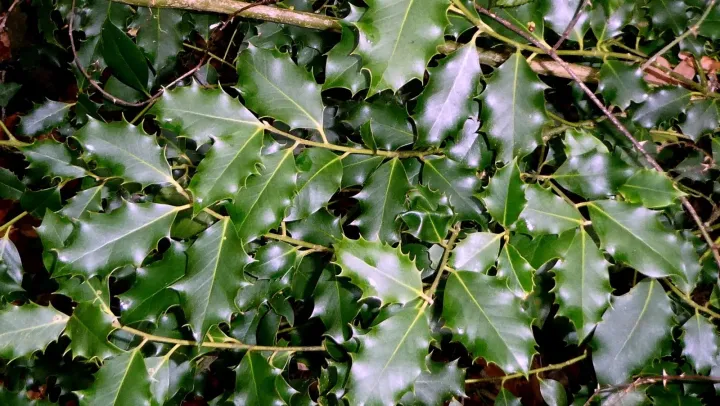
Altaclerensis holly (Ilex x altaclerensis) is a robust evergreen hybrid shrub belonging to the Aquifoliaceae family. It is a result of cross-breeding between Ilex aquifolium and Ilex perado, combining the hardiness and attractive foliage characteristics of both parent species.
The plant thrives in well-drained, fertile, and slightly acidic soils. It prefers a sheltered position where it is protected from harsh, drying winds and direct scorching sun. Proper site selection is crucial for maintaining the plant's health and vibrant leaf color throughout the year.
Water requirements include maintaining consistent soil moisture, particularly during the establishment phase and dry summer months. Mulching around the root zone is highly recommended to preserve soil moisture and regulate temperatures, providing extra protection during winter cold snaps.
Cultural practices involve annual pruning to maintain shape or encourage denser growth, as this species responds well to trimming. It is widely used in landscape architecture for formal hedges, architectural focal points, or as an element of mixed evergreen shrub borders.
Fertilization should be applied in early spring using balanced, slow-release formulas designed for woody ornamentals. This ensures steady nutrient availability throughout the growth season, promoting vigorous development of leaves and branches.
Main diseases and pests
Common pests affecting Altaclerensis holly include scale insects and mealybugs, which settle on leaves and stems to feed on plant sap. Early detection and the application of horticultural oils or systemic insecticides are effective measures to control these pest populations.
Fungal leaf spot diseases are prevalent in conditions of poor air circulation and high ambient humidity. To mitigate this risk, it is essential to ensure adequate spacing between plants and perform regular sanitary pruning to remove congested or infected branches.
Chlorosis is a frequent issue if soil pH levels are not maintained correctly, hindering the plant's ability to absorb essential micronutrients. Regular soil testing allows for necessary amendments to ensure the pH remains within the preferred slightly acidic range.
Root rot is the most significant threat, typically associated with waterlogged or poorly drained soils. Incorporating coarse drainage material into the planting hole is a fundamental step to protect the root system from oxygen deprivation and fungal attacks.
Occasional infestations of aphids can attract sooty mold, which impairs photosynthesis by covering leaf surfaces. Integrated pest management, including the use of neem-based sprays and encouraging natural predators, is recommended for sustainable plant health maintenance.