
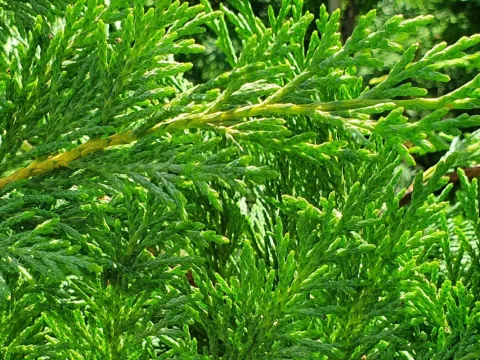
Leyland cypress
x Cupressocyparis Dallim.
Leyland cypress, scientifically known as Cupressocyparis, is a vigorous intergeneric hybrid that belongs to the Cupressaceae family. It was first developed in the United Kingdom through the cross-pollination of the Monterey cypress and the Nootka cypress, resulting in a tree that displays significant hybrid vigor.
What the section contains

Leyland cypress
This evergreen conifer is widely recognized for its exceptionally fast growth rate, often reaching maturity in a very short timeframe. It features a dense, columnar or pyramidal habit with flat sprays of scale-like foliage that remain vibrant and deep green throughout the winter months, providing year-round privacy.
The culture thrives in a variety of climatic conditions but prefers temperate zones with moderate rainfall. It is best suited for sites with full sun exposure, although it can tolerate partial shade. Protecting the plants from intense, drying winds is crucial, as they can cause winter burn on exposed foliage.
Soil requirements focus on fertility and drainage; while the plant is adaptable to various soil types, it performs best in deep, well-draining loams. It does not tolerate prolonged waterlogging, which can lead to root rot and other physiological stressors that impact the tree's long-term health.
Cultivation practices involve regular pruning to maintain the desired height and width, especially when used as a hedge. Because of its rapid growth, the plant may require annual trimming to keep the foliage dense and to prevent it from becoming overly sparse or top-heavy in exposed garden locations.
Disease management is a key aspect of Leyland cypress care, with Seiridium canker being one of the most serious threats. This fungal pathogen causes sunken lesions on branches and stems, leading to the yellowing and eventual dieback of foliage, which can eventually kill the entire tree.
Pest issues often include bagworms and spider mites. Bagworms can strip the foliage bare, while spider mites extract sap from the needles, leading to chlorosis and stunted growth. Monitoring the trees closely during late spring and summer helps in the early detection and management of these pests.
Cultural control, such as ensuring adequate spacing between trees to improve air circulation, is the first line of defense against fungal pathogens. Reducing humidity within the canopy is essential for preventing the spread of diseases like needle blight, which can thrive in densely packed hedge rows.
Chemical applications may be necessary in severe infestations, utilizing fungicides for disease control and acaricides for spider mite management. Always follow label instructions carefully to ensure the safety of the surrounding environment and the health of the conifers being treated.
Leyland cypress is primarily used for creating massive privacy screens, sound barriers, and ornamental hedges. Its ability to achieve a substantial size in a few years makes it an economical and efficient choice for property owners looking to define borders and shield their living spaces from external disturbances.