
Wood spurge
Euphorbia amygdaloides L.
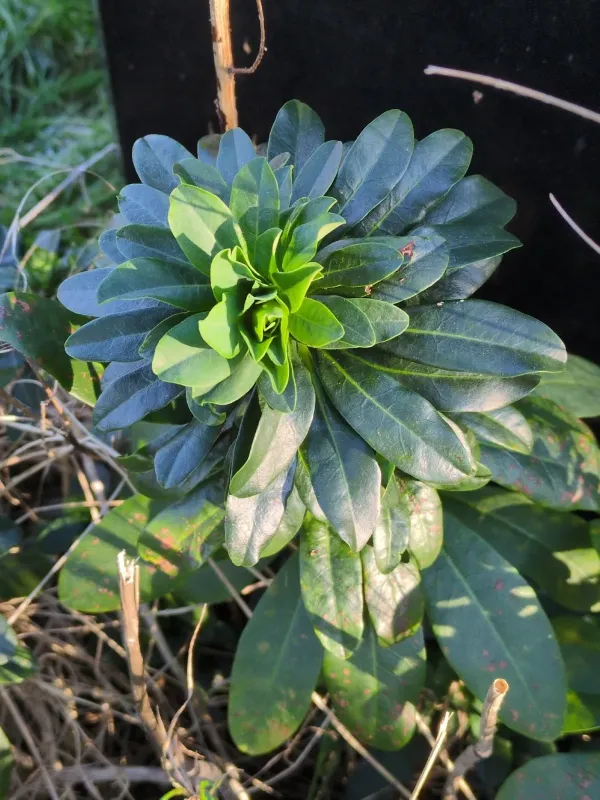
Description
Sowing dates
The sowing of Euphorbia amygdaloides seeds is ideally performed in late autumn. Sowing outdoors before winter allows the seeds to undergo natural stratification, which is critical for ensuring a high germination rate in the following spring.
For spring sowing, seeds require an artificial cold stratification process. They should be kept in a moist environment at temperatures between 0 and 5 degrees Celsius for approximately 4 to 6 weeks to break dormancy.
Vegetative propagation via stem cuttings is a common practice to ensure that the offspring are identical to the parent plant. Cuttings should be taken in early summer from young, flexible shoots that have not yet fully lignified.
Division of the root clump is best executed with mature plants that are at least three years old. This operation is most successful during the dormant period in early spring or in late summer to allow for root establishment.
When handling the plant, it is essential to wear gloves to avoid contact with the toxic, milky sap. This sap can cause significant skin irritation and should be handled with extreme care during all propagation and pruning tasks.
Growing requirements
Wood spurge belongs to the Euphorbiaceae family and is native to woodland environments across Europe and Asia. Consequently, it thrives in partial shade and is an excellent choice for shaded garden areas or woodland-style landscapes.
The plant prefers well-drained, humus-rich soil. While it is tolerant of various soil types, it absolutely requires good drainage, as waterlogged conditions quickly lead to root rot and eventual plant failure.
In terms of climate, Euphorbia amygdaloides is quite hardy. However, it benefits from protection against harsh, drying winds and excessive midday sun, which can cause leaf scorch in younger or poorly established specimens.
The ideal soil pH for this species is neutral to slightly acidic. Maintaining balanced fertility levels is important, although the plant does not require high-intensity fertilization to maintain its vigor.
Routine cultivation involves mulching the root zone to conserve moisture and suppress weed growth. Proper spacing during planting is also vital to ensure adequate airflow, which prevents the development of many common fungal issues.
Main diseases and pests
Fungal diseases such as powdery mildew are common in humid conditions with poor air circulation. Removing affected foliage and improving spacing usually helps mitigate these issues, though fungicides may be necessary in severe cases.
Root rot is the most serious threat, typically caused by overwatering or soil with poor drainage properties. Prevention focuses on avoiding irrigation when the topsoil is still moist and ensuring the planting site is correctly prepared.
Spider mites are common pests that thrive during hot and dry weather conditions. Monitoring the undersides of leaves for webbing and discolored stippling is essential for early detection and targeted chemical control.
Aphids can also attack the young buds and flowers of the Wood spurge. Using insecticidal soaps or horticultural oils is usually effective at managing aphid populations without causing significant harm to the surrounding environment.
Overall, maintaining plant health through proper site selection and consistent garden maintenance is the best defense against pests and diseases for this perennial species.