
Painted spurge
Euphorbia cyathophora Murray
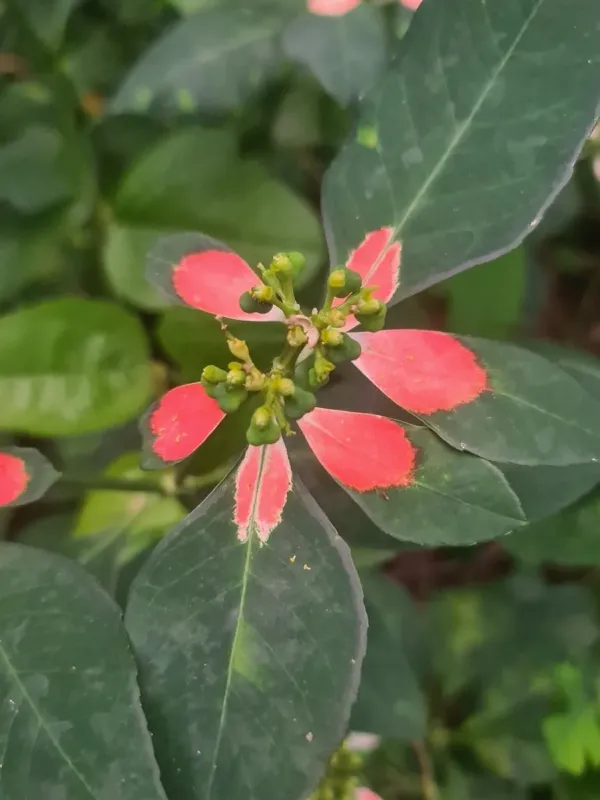
Description
Sowing dates
Painted spurge (Euphorbia cyathophora) is an annual herbaceous plant belonging to the Euphorbiaceae family. In agricultural settings, it is primarily recognized as a prolific weed in row crops due to its rapid growth cycle.
The seeds of this species typically germinate during late spring once the soil temperature reaches approximately +12°C to +15°C. Their ability to remain dormant in the soil bank ensures persistent infestations over several seasons.
The plant demonstrates high vigor, with seedlings emerging rapidly after the initial spring rains. Early detection and management are essential during the seedling stage to minimize competition with primary crops.
For deliberate cultivation, seeds are sown at a depth of 1-2 cm in well-prepared seedbeds. Germination is relatively uniform provided that soil moisture is maintained during the first two weeks.
In field environments, the strategy for sowing management involves precise timing of tillage operations to destroy young germinants before they establish a deep and complex root system.
Growing requirements
Euphorbia cyathophora thrives in full sun exposure. It is highly adaptable to various soil types, ranging from sandy loam to heavy clay, provided there is adequate drainage to prevent root rot.
The plant is known for its high drought tolerance. Its stems and leaves contain specialized tissues that store water, allowing it to survive during periods of limited precipitation.
Regarding soil fertility, it is not particularly demanding. It often colonizes disturbed sites where nitrogen levels may be low, outcompeting more delicate native or cultivated species.
The temperature range for optimal physiological activity is between +20°C and +30°C. While it can survive cool spring weather, its growth rate accelerates significantly as the days become warmer.
Cultural practices should include frequent inter-row cultivation. This practice helps maintain soil aeration and prevents the formation of soil crusts that can hinder the development of root systems in younger plants.
Main diseases and pests
Painted spurge is naturally protected by its milky latex sap, which is toxic to many herbivores and insects. This chemical defense mechanism provides a significant advantage over other invasive plants.
Despite its robustness, the plant is susceptible to various fungal pathogens under conditions of excessive humidity. Powdery mildew is the most common disease observed in dense populations.
The plant can also act as an alternative host for viral diseases that affect vegetable and field crops. Insects such as aphids and whiteflies often utilize the plant as a bridge during the growing season.
Management of pest and disease threats requires a combined approach of mechanical weeding and targeted chemical application. Maintaining field sanitation is critical to reducing the overall inoculum density.
When chemical control is necessary, pre-emergent herbicides are often more effective than post-emergent alternatives, given the plant's waxy leaf cuticle which may reduce herbicide absorption.