
Euphorbia geroldii
Euphorbia geroldii Rauh
Description
Growing requirements
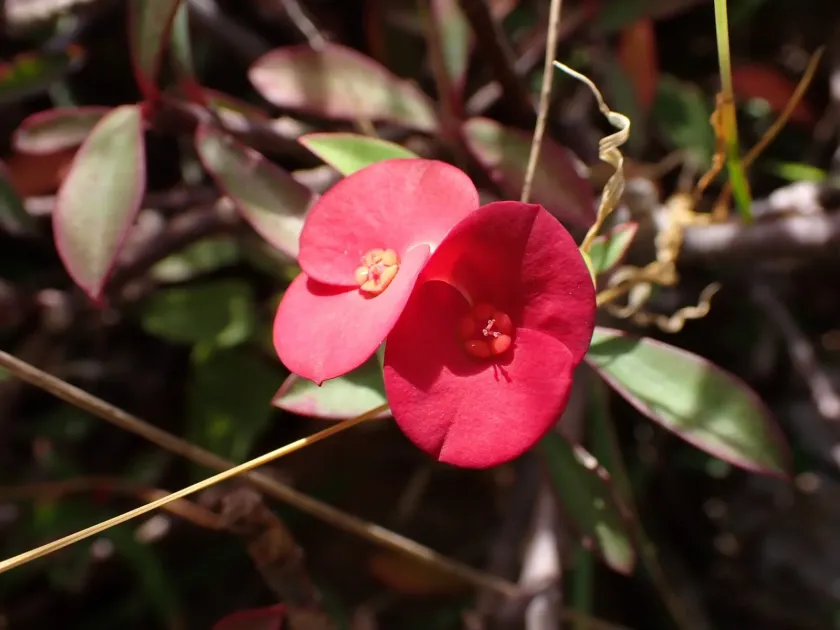
Euphorbia geroldii is a distinct member of the Euphorbiaceae family, native to the island of Madagascar. Unlike its more common, thorny relatives, this species features smooth, thornless stems, making it a highly desirable specimen for indoor plant collections.
The plant thrives in bright, indirect light. While it appreciates high light levels, exposure to harsh, direct midday sun can easily scorch its foliage. A south-facing window with a sheer curtain or an east-facing exposure is generally considered ideal.
Temperature requirements are consistent with tropical succulents; the plant prefers temperatures ranging from 20 to 26 degrees Celsius. It is crucial to protect the plant from cold drafts and temperatures dropping below 15 degrees Celsius during the winter months.
Soil composition must be highly porous and fast-draining. A specialized potting mix for cacti and succulents, supplemented with additional pumice or perlite, ensures that water does not remain trapped around the delicate root system, preventing suffocation.
Watering practices should follow the "soak and dry" method. Allow the potting medium to become completely dry between waterings. During the dormant winter season, irrigation should be significantly reduced to mimic the plant's natural environmental cycles.
Main diseases and pests
Root rot is the most common health issue for Euphorbia geroldii, typically caused by overwatering or poorly drained soil. Early symptoms include soft, discolored stems, which necessitate immediate repotting into fresh, dry substrate.
Pest pressures primarily come from mealybugs and spider mites. These sap-sucking insects thrive in the warm, dry indoor environments often provided for succulents, leading to stunted growth and leaf drop if left unchecked.
Manual removal of pests with an alcohol-soaked cotton swab is effective for minor infestations. For larger populations, systemic pesticides formulated for indoor use may be necessary to ensure the plant recovers its vigor.
Leaf drop is a common stress response to environmental changes, such as sudden movement of the pot, drafty conditions, or insufficient light intensity. Maintaining a stable environment is key to keeping the plant lush and evergreen.
It is important to remember that all Euphorbia species contain a milky white latex sap that is toxic. Always wear protective gloves when pruning or repotting to avoid contact with skin and especially eyes.