
Scarlet plume
Euphorbia fulgens Karw. ex Klotzsch
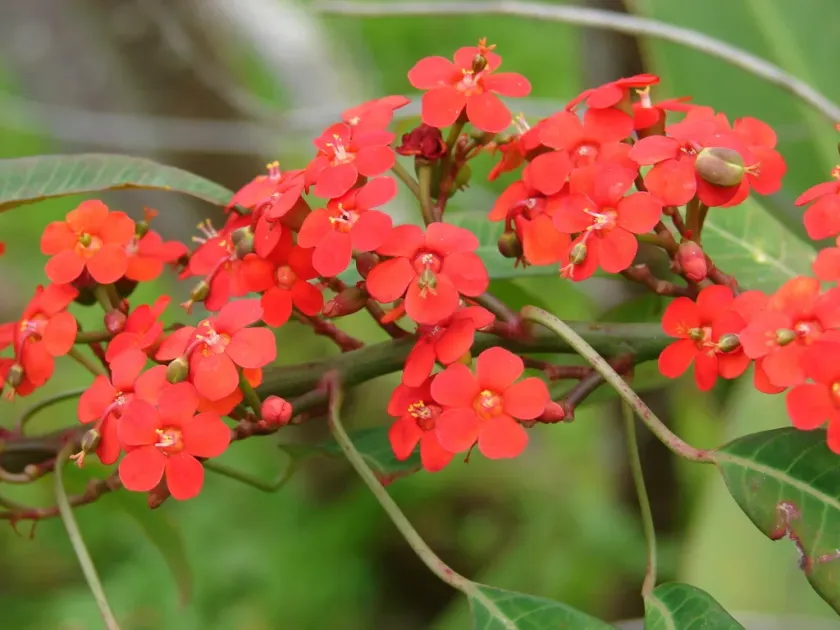
Description
Sowing dates
Euphorbia fulgens, commonly known as scarlet plume, is primarily propagated through cuttings. The best time for collecting healthy planting material is early spring.
Cuttings should be taken from vigorous young stems. It is crucial to let the cut surface dry for a few hours to stop the milky sap flow before planting.
The rooting medium should consist of a well-draining mixture of peat and perlite. This ensures sufficient oxygen reaches the developing roots.
Maintain a stable temperature between 22 and 24 degrees Celsius during the rooting phase. High humidity levels will promote faster root formation.
Once the root system is established, the young plants are transplanted into individual containers. Handle them with care to avoid root damage.
Growing requirements
This plant belongs to the Euphorbiaceae family and is native to Mexico. It requires high light intensity throughout the year for healthy development.
The soil must be loose, porous, and well-drained. A pH range between 6.0 and 7.0 is ideal for maximizing nutrient uptake in this species.
Optimal temperatures for active growth range from 18 to 25 degrees Celsius. During the dormant phase, cooler temperatures are acceptable but should stay above 15 degrees.
Watering should be consistent but moderate. The substrate must dry slightly between waterings to prevent the development of root pathogens.
Air circulation is vital in greenhouse environments to prevent stagnant humidity. Keep the plant away from cold drafts to avoid stress.
Yield
The yield of scarlet plume is measured by the number of high-quality flowering stems produced per crop cycle. It is a highly valued cut flower in the floristry industry.
Pruning is an essential technique to encourage branching. Regular removal of terminal buds results in a bushier plant with more harvestable stems.
Artificial lighting in winter can significantly increase the total yield and improve the length of the stems, making them more attractive for floral arrangements.
Fertilization with a balanced NPK ratio is necessary throughout the growing season. Micronutrient supplementation helps in maintaining leaf color and stem vigor.
Professional grade production often yields uniform stems that meet international floricultural standards for length and bloom quality.
Main diseases and pests
Common pests affecting Euphorbia fulgens include spider mites and whiteflies. These thrive in warm, dry greenhouse conditions, necessitating strict monitoring.
Root and stem rots are the most common diseases, typically caused by overwatering or poor soil drainage. Infected plants should be isolated and treated immediately.
Systemic insecticides and acaricides are effective in controlling pest populations. Always follow integrated pest management (IPM) guidelines to minimize chemical use.
Sterilizing equipment and maintaining strict sanitation protocols significantly reduce the risk of viral and fungal infections within the facility.
- Spider mites (miticides)
- Whiteflies (insecticides)
- Stem rot (fungicides)
- Bacterial leaf spot (sanitation)
Harvesting
Harvesting should be performed when the buds are fully developed but just before they open. This ensures the longest possible vase life for the flowers.
The milky sap can be a skin irritant, so always wear gloves when handling the stems during harvest. Use sanitized, sharp shears for clean cuts.
To seal the stem and prevent sap leakage, dip the ends in hot water for a few seconds immediately after cutting. This is essential for water uptake efficiency.
Store the harvested stems in clean water mixed with a floral preservative. This prevents bacterial growth and keeps the stems hydrated for transportation.
For shipping, wrap the stems carefully to avoid bruising. Maintaining cool temperatures during transit is critical to preserve the plant's quality.