
Daphne odora
Daphne odora Thunb.
Description
Growing requirements
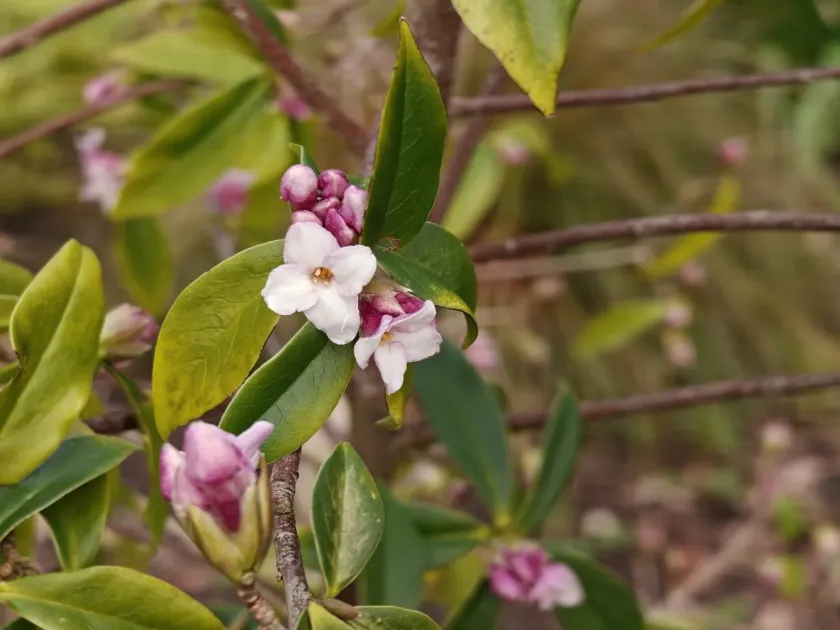
Daphne odora, commonly known as winter daphne, is an evergreen shrub belonging to the Thymelaeaceae family. Originating from China and Japan, this plant is highly prized in horticulture for its intense, sweet-scented flowers that bloom in late winter or early spring.
The crop thrives in partial shade, particularly in locations protected from intense afternoon sun. Exposure to direct harsh sunlight can scorch the foliage and reduce the overall vigor of the shrub, making shade management a priority for successful cultivation.
Soil conditions are critical for Daphne odora. It requires well-draining, slightly acidic to neutral soil that is rich in organic matter. Waterlogged soil is the primary cause of root failure, so adding compost and ensuring proper drainage is essential before planting.
Climate adaptability is limited to temperate zones with mild winters. In areas with harsh winter conditions, the plant should be grown in containers and brought into a frost-free, cool environment until the risk of extreme freezing has passed.
Beyond its primary use as an ornamental garden plant, winter daphne is used in landscape architecture to provide early seasonal interest. Its scent makes it a popular choice for sensory gardens, paths, and areas near building entrances.
Main diseases and pests
Fungal diseases, including leaf spot and various root rots, are the most significant threats to Daphne odora. These infections often arise in environments with poor air circulation or excessive soil moisture, emphasizing the need for proper site selection and watering practices.
Pest management should focus on aphids and spider mites. Regular scouting of the foliage is recommended, particularly during warmer, drier periods when pest populations tend to spike. Horticultural oils or systemic insecticides can be used to control infestations.
Safety is a vital concern when handling this species, as all parts of the plant are toxic if ingested and may cause skin irritation upon contact. Operators must wear protective gear during pruning, propagation, or transplanting procedures.
Nutritional stress or drought can make the plant susceptible to viral infections, which manifest as leaf yellowing and stunted growth. Maintaining a consistent moisture balance and providing mulch can help keep the root system cool and healthy during the heat of summer.
If disease symptoms such as canker or wilting appear, the affected branches should be pruned back to healthy wood immediately. All pruning tools must be thoroughly cleaned with disinfectant between cuts to prevent the potential spread of pathogens to other parts of the plant.