
Neapolitan daphne
Daphne x napolitana hort. Lodd.
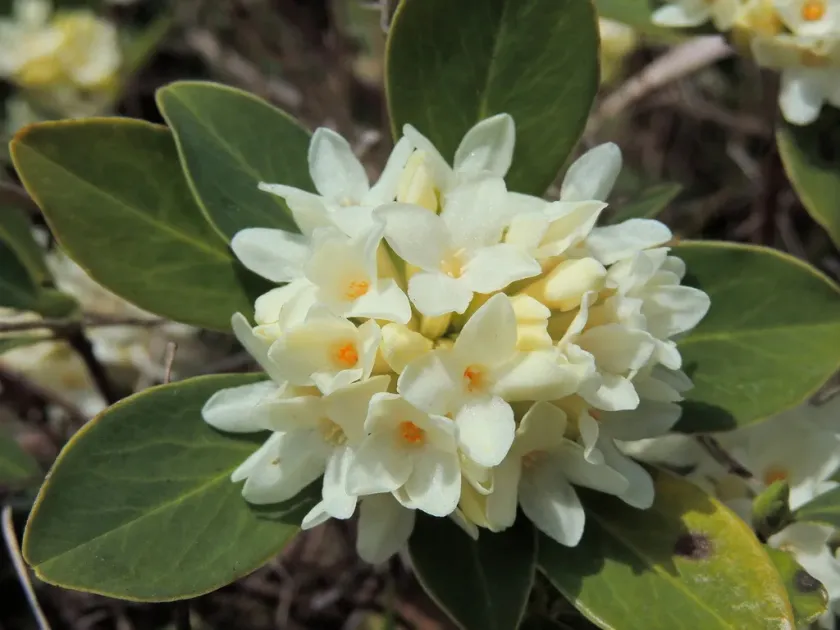
Description
Growing requirements
Neapolitan daphne is an ornamental hybrid shrub belonging to the Thymelaeaceae family. It is highly regarded for its compact growth habit and fragrant flowers, making it a popular choice for rock gardens and specialized landscape compositions.
Originating from Italy, this species prefers well-drained soil conditions. It thrives in soils that are slightly acidic to neutral, rich in organic matter, and well-aerated to prevent the buildup of moisture around the root system.
The plant has specific climatic requirements, favoring temperate conditions with protection from harsh winds and extreme temperatures. Adequate humidity is essential, and location selection should ensure partial shade during peak sunlight hours to avoid leaf scorch.
Good agricultural practice for this species includes moderate and consistent watering, especially during the establishment phase. Applying a layer of organic mulch around the base of the plant helps to regulate soil temperature and moisture, which is vital for long-term health.
In terms of usage, the Neapolitan daphne is primarily used in ornamental horticulture. It is frequently planted in decorative borders, containers, or as part of a perennial collection where its evergreen foliage and early blooming cycle add significant value to the garden.
Main diseases and pests
The main threats to the health of the plant are fungal diseases caused by waterlogged soil conditions. Phytophthora root rot is particularly dangerous and can be fatal if drainage is not properly managed in the planting area.
Common pests include aphids and spider mites, which can infest new foliage. Regular monitoring is encouraged, and if an infestation is detected, horticultural soaps or specific insecticides should be used to protect the overall vitality of the shrub.