
Burkwood daphne
Daphne x burkwoodii Turrill
Description
Growing requirements
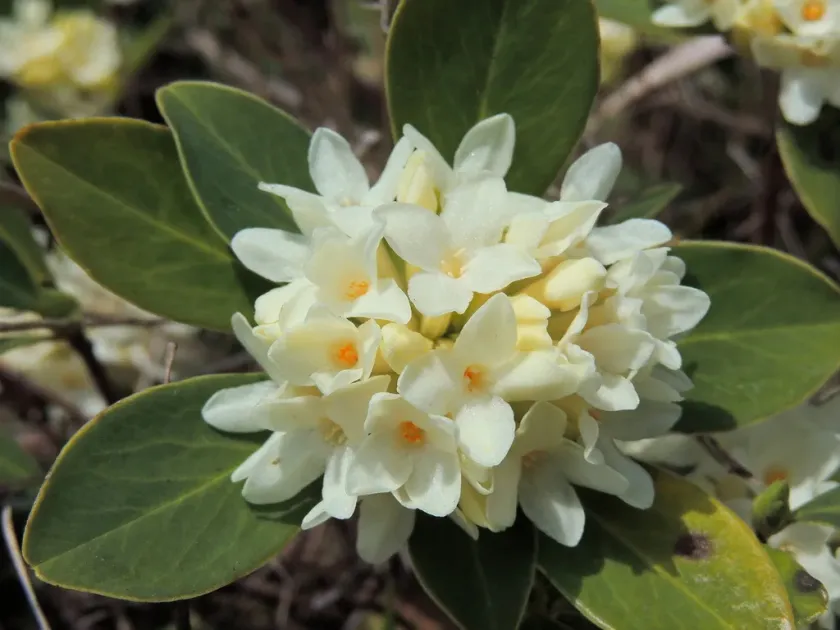
Burkwood daphne (Daphne x burkwoodii) is a semi-evergreen ornamental shrub belonging to the Thymelaeaceae family. It is a prized hybrid resulting from the crossbreeding of Daphne cneorum and Daphne caucasica, known for its fragrant spring blooms.
The plant thrives in sites with full sun to partial shade and requires a well-drained, fertile soil. It is particularly sensitive to stagnant water, so incorporating organic matter and sand into heavy soils is essential for optimal root development.
Regarding climate, it exhibits good hardiness but prefers protection from harsh, drying winds during the winter months. A balanced pH level in the soil, ranging from neutral to slightly alkaline, promotes the best growth and flowering performance.
In terms of agricultural use, it is primarily an ornamental crop used in residential landscaping, rock gardens, and shrub borders. Its compact size and pleasant scent make it a popular choice for sensory gardens and pollinator-friendly landscapes.
It is crucial for gardeners to exercise caution, as all parts of this plant contain toxins that may cause irritation to the skin or if ingested. Always wear protective gloves when handling, pruning, or transplanting the shrub.
Main diseases and pests
Common plant health issues include fungal diseases like Botrytis and leaf spots, which typically occur under conditions of high humidity or poor air circulation within the shrub canopy.
Aphids and spider mites are the most frequent pests affecting Burkwood daphne. These insects can cause stunted growth and discolouration of leaves if left untreated during the active growing season.
Effective management includes maintaining proper spacing between plants to ensure good airflow and avoiding overhead irrigation that keeps the foliage consistently wet for long periods.
Integrated pest management strategies, such as using horticultural oils or systemic insecticides during early infestation stages, are effective in controlling populations without damaging the plant.
Routine sanitation, including the removal of dead or dying branches, helps to reduce the inoculum load and keeps the shrub robust against potential environmental stress and pest pressure.