
Daphne circassica
Daphne circassica x Daphne sericea
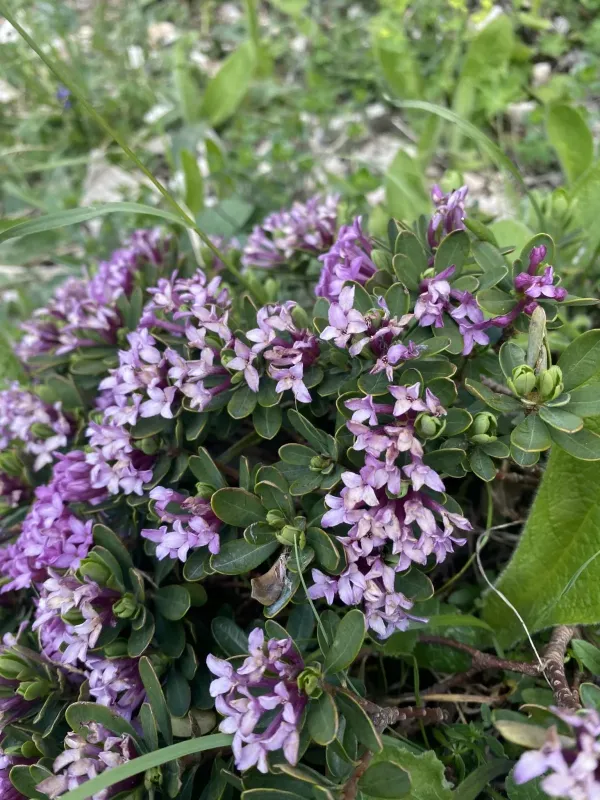
Description
Growing requirements
Daphne circassica x Daphne sericea is an elegant hybrid ornamental shrub belonging to the Thymelaeaceae family. It is prized in horticulture for its fragrant blossoms and compact, evergreen foliage that adds structure to the landscape.
The parent species originate from the Caucasus mountains and Mediterranean regions, influencing the plant's preference for a balanced, temperate climate. It thrives best in locations that provide partial shade or full sun, provided they are sheltered from harsh winds.
The cultivation success depends heavily on well-drained soil conditions. Daphne species are particularly sensitive to root moisture saturation; therefore, a high-quality drainage layer is essential for long-term health in garden beds.
The soil should be fertile and neutral to slightly alkaline. Incorporating organic matter into the planting hole improves soil structure, while avoiding heavy clays prevents the risk of root rot during colder, wetter seasons.
Maintenance involves minimal intervention, though mulching the base helps maintain cool root temperatures during summer. Occasional balanced feeding in early spring supports healthy vegetative growth and encourages more prolific flowering.
Main diseases and pests
Root rot, primarily caused by Phytophthora species, remains the most significant threat to this culture. Ensuring optimal soil drainage and avoiding excess irrigation are the most effective preventive measures against these pathogens.
Pests such as aphids and spider mites frequently target the tender new growth during the spring flush. Monitoring these populations and applying appropriate horticultural oils or systemic insecticides can prevent extensive damage.
Fungal leaf spots can occur in conditions of poor air circulation and high humidity. Proper pruning and spacing during planting help maintain good airflow through the canopy, reducing the likelihood of infection outbreaks.
Nutritional deficiencies may manifest as leaf chlorosis, especially if the soil pH is not correctly managed. Soil testing and the application of chelated iron can resolve these issues if they occur in susceptible garden soils.
A proactive approach to plant health, including routine cleaning and the removal of dead or damaged wood, is vital. Maintaining a vigorous, healthy plant is the best natural defense against pests and diseases.