
Willow gentian
Gentiana asclepiadea L.
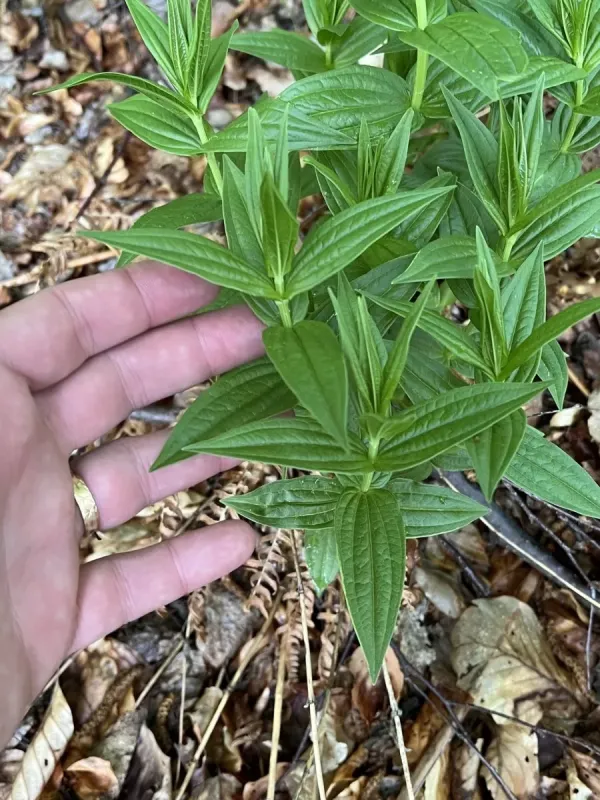
Description
Sowing dates
Seeds of the willow gentian require a cold stratification period of several weeks to several months to break their innate dormancy and initiate the germination process.
The most effective method for planting is sowing directly into the soil in late autumn, allowing the seeds to undergo natural frost cycles before the arrival of spring.
When starting indoors, use a moist, well-draining seed-starting mix and surface-sow the seeds, pressing them lightly into the substrate without covering them, as light is vital for germination.
Maintain consistent humidity by covering the trays with clear plastic or glass, ensuring the environment remains moist but not waterlogged until the first true leaves emerge.
Due to the slow initial growth rate, it is advisable to keep seedlings in nursery containers for their first year to allow the root system to become robust before transplanting.
Growing requirements
The willow gentian, a member of the Gentianaceae family, thrives in semi-shaded locations, naturally occurring in forest edges and woodland areas where filtered light prevails.
This crop demands consistently moist but well-draining soil that is rich in organic matter and typically leans toward a slightly acidic pH for optimal nutrient uptake.
It exhibits remarkable winter hardiness, making it a reliable perennial in temperate climates, provided that the soil is not prone to heaving due to extreme freezing and thawing.
During the growing season, consistent irrigation is essential to prevent the root zone from drying out, which can cause significant stress and reduce the plant's decorative appeal.
Adding a layer of leaf mold or organic mulch helps regulate soil moisture levels and provides a slow-release nutrient source, mimicking the plant's natural habitat conditions.
Main diseases and pests
The most significant pests affecting willow gentian are slugs and snails, which can cause severe damage to the foliage and flower stems, especially during cool and humid periods.
Root rot represents the primary pathological threat, usually triggered by poor soil drainage, excessive irrigation, or compaction that prevents oxygen from reaching the root zone.
Fungal leaf spots can occur if plants are situated in areas with poor airflow, leading to stagnant humidity that encourages the development of airborne pathogens.
Effective pest management involves maintaining clear surroundings to remove hiding spots for mollusks and ensuring adequate spacing between plants to maximize air circulation.
Regular monitoring and prompt removal of dead or decaying plant tissue can significantly reduce the risk of disease transmission across the cultivation plot.