
Gentiana axillariflora var. coreana
Gentiana axillariflora var. coreana (Nak.) Kudo
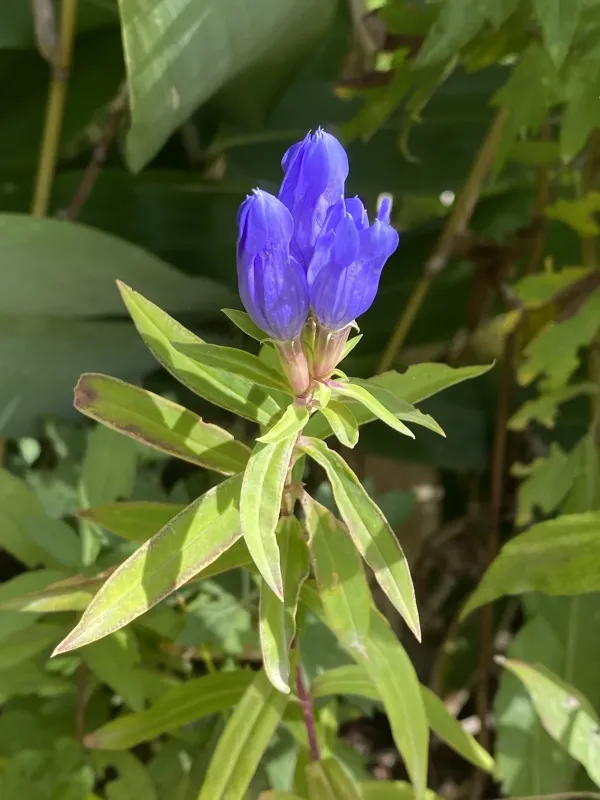
Description
Sowing dates
Seeds of Gentiana axillariflora var. coreana have a short shelf life and require cold stratification to achieve a good germination rate. Sowing is best performed in the autumn, allowing the seeds to undergo natural winter cycles in an outdoor nursery or container setup.
For spring sowing, seeds must be subjected to artificial stratification in a refrigerator at temperatures between 0 and 5 degrees Celsius for at least six to eight weeks. This process is essential to break embryo dormancy.
As the seeds are extremely small, they should be surface-sown on a fine, well-draining substrate. They require exposure to light to germinate, so they should not be buried, but only pressed lightly into the surface.
Maintaining high humidity is crucial during the germination phase. Covering the container with a plastic lid or glass can help create a humid environment, although daily airing is necessary to prevent fungal issues.
Seedlings should be pricked out when they reach the two-leaf stage. Due to their delicate root systems, it is highly recommended to use individual peat pots or ensure minimal root disturbance during transplanting to the final location.
Growing requirements
Gentiana axillariflora var. coreana is a hardy perennial member of the Gentianaceae family. It is native to the Korean Peninsula and parts of Eastern Asia, where it thrives in moist meadows and high-altitude rocky slopes.
The plant demands a cool, humid climate with stable moisture levels. It performs best in slightly acidic to neutral soils that are rich in organic matter and have a loose, porous structure for excellent drainage.
Partial shade is the preferred exposure. While the species can tolerate some morning sun, full afternoon sun in hot climates can scorch the leaves and significantly stress the plant, preventing proper development.
Soil moisture must be consistent throughout the growing season. A layer of fine gravel or decorative stone mulch around the base of the plant is recommended to keep the root zone cool and prevent moisture loss from the soil surface.
In terms of cultivation care, the plant benefits from protection against extreme heat. In greenhouse settings, supplemental ventilation and misting systems are often used to mimic the natural misty conditions of their native mountain habitats.
Yield
The economic value of this Gentiana species lies in its potential use in traditional phytotherapy and its high status as an ornamental plant in alpine gardens. Productivity is directly linked to environmental control and soil enrichment.
For medicinal purposes, the roots are the primary harvested component. These are typically harvested after 3–4 years of growth. After lifting the roots, they should be washed, cleaned, and dried under controlled low-temperature conditions to preserve active ingredients.
In horticultural production, yield is assessed by the abundance and health of the floral display. A well-nourished plant, provided with optimal pH and consistent moisture, produces numerous flowers in the leaf axils, which enhances its market appeal.
Seed production requires careful monitoring. Because the seed capsules shatter easily when ripe, harvesting must occur just before they fully open to prevent loss. The collected capsules should be dried in paper bags.
Modern production strategies often involve high-standard substrate blends that ensure superior root development. This maximizes the overall vigor of the plants, leading to faster maturation and more consistent flowering cycles.
Main diseases and pests
Root rot is the most significant threat to this species, usually triggered by waterlogged soil conditions. Ensuring the planting site has perfect drainage and avoiding excessive overhead watering are vital preventative measures.
Slugs and snails present a constant challenge during the early stages of growth, as they find the young leaves highly palatable. Using organic slug pellets or physical barriers like copper tape can help keep populations under control.
Aphids can cause damage during the spring flush of growth, particularly in protected environments. If infestation occurs, manual removal or the application of insecticidal soap is generally effective for smaller production areas.
Fungal leaf spots can occur when air circulation is poor, particularly in dense plantings. Regular thinning and ensuring space between plants are important cultural practices to maintain plant hygiene.
Chlorosis, often visible as yellowing leaves, is usually a sign of nutrient deficiency or an incorrect soil pH level. Regular soil testing allows for the precise adjustment of fertilizer programs to meet the specific needs of the Gentiana species.