
Gentiana axillariflora
Gentiana axillariflora Levier & Vaniot
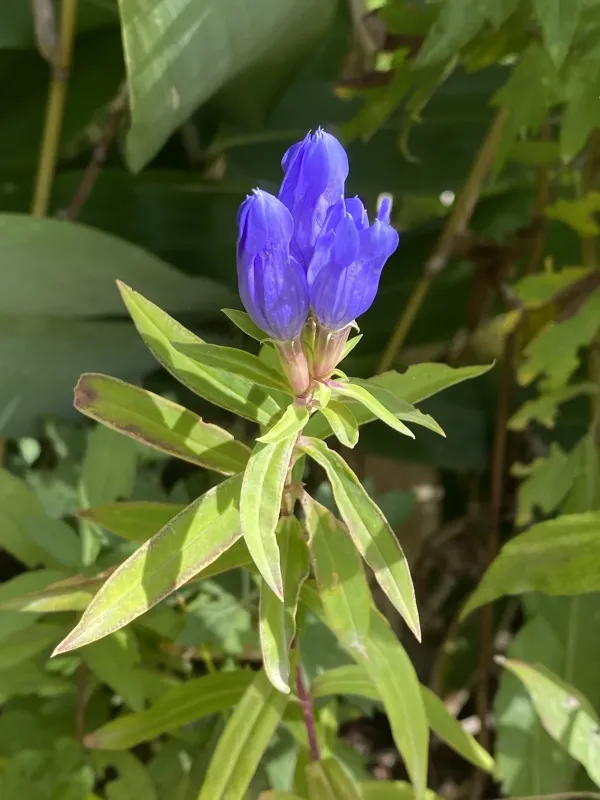
Description
Sowing dates
Seeds of Gentiana axillariflora require a cold stratification process to break dormancy and achieve successful germination. It is highly recommended to sow the seeds in late autumn, allowing them to remain in the ground during winter, which mimics their natural mountain habitat conditions.
For greenhouse production, seeds should be sown in trays filled with a well-draining, slightly acidic peat-based substrate. The seeds are very small and must be sown on the surface, only pressed lightly into the medium to allow sufficient light exposure for germination.
Temperature control is essential for uniform sprouting, with the ideal range being 15–18 degrees Celsius. Once the seeds are sown, the containers should be kept moist, as any drying out during this period will lead to complete failure of the crop.
Transplanting seedlings requires extreme care due to the sensitive taproot system of the plant. Using individual plugs or biodegradable pots allows for minimal root disturbance when moving the plants to their permanent field location in late spring.
Spacing should be managed to ensure adequate airflow, which is critical for preventing fungal outbreaks later in the season. A distance of 25–30 centimeters between individual plants is generally sufficient to sustain healthy growth and development over several years.
Growing requirements
Gentiana axillariflora is a perennial herbaceous plant belonging to the Gentianaceae family. It is native to the temperate mountain regions of East Asia, where it thrives in moist, cool alpine meadows and along riverbanks, showcasing its resilience to harsh environmental conditions.
The crop requires fertile, humus-rich soil with good moisture retention but excellent drainage capacity. Stagnant water is the primary cause of root failure, so amending heavy soils with grit or coarse sand is an essential step during land preparation.
While the plant can tolerate full sun in cooler climates, it prefers partial shade during the hottest parts of the day in warmer regions. Providing some protection from intense afternoon heat helps to maintain the plant's vigor and prevents premature wilting of the foliage.
Water management is the cornerstone of successful cultivation, as the plant demands consistent soil moisture throughout the growing season. However, overhead irrigation should be minimized to reduce the risk of leaf diseases, favoring drip irrigation systems instead.
In terms of agricultural and medicinal use, this species is cultivated for its bioactive compounds, particularly in its roots. These are traditionally harvested for their bitter properties, which are used in the development of digestive aids and various pharmaceutical formulations.
Main diseases and pests
The most common threat to this species is root rot, typically caused by soil-borne fungi such as Pythium and Phytophthora when conditions remain too wet. Ensuring optimal soil drainage is the most effective preventative measure against these devastating pathogens.
Leaf spot diseases can also occur, particularly during periods of prolonged humidity or poor air circulation. Implementing proper spacing and avoiding overhead watering can significantly reduce the pressure of these fungal infections, keeping the crop healthier.
Slugs and snails represent the primary pest challenge, as they find the tender, succulent leaves of the plant highly attractive. Using physical barriers like copper tape or crushed eggshells around the base of the plant can deter these pests during the early growth stages.
Aphids may occasionally infest the plant under stressed conditions, particularly in greenhouses. Routine monitoring and the application of mild, organic insecticidal soaps are usually enough to control these populations without harming the plant's development.
Crop protection strategies should prioritize integrated pest management (IPM) to maintain the purity of the medicinal root material. Using synthetic chemicals should be kept to a minimum to comply with quality standards for herbal raw materials meant for human consumption.