
Gentiana makinoi
Gentiana makinoi Kuzen.
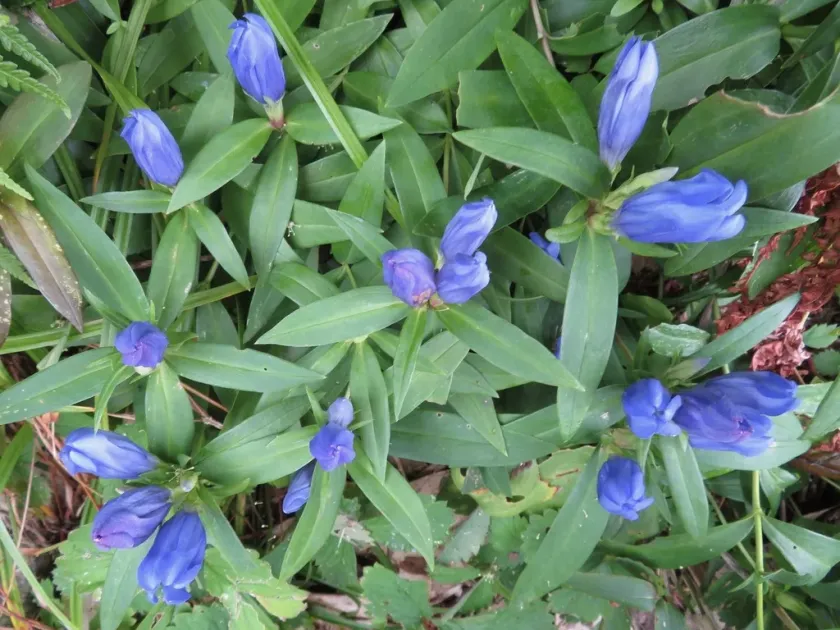
Description
Sowing dates
Sowing seeds of Gentiana makinoi is best performed in late autumn or early spring, strictly following a cold stratification period. The seeds are notoriously slow to germinate without proper chilling, so holding them in cold conditions for 4-8 weeks is essential.
In nursery settings, seeds should be surface-sown on a light, well-draining substrate. They require light to trigger germination, so they should not be buried deep in the soil. Maintaining an ambient temperature of 15–18 degrees Celsius is optimal for success.
Pricking out seedlings is recommended once they develop two to three true leaves. Great care must be taken during this process, as the root system of these plants is exceptionally delicate and sensitive to disturbance.
Vegetative propagation via division of the root clump is best executed in early spring or autumn. This method allows for the rapid establishment of mature plants that are already well-adapted to the local soil environment.
Transplanting into the garden should occur after the risk of late frosts has passed. Aim for a planting density of 9–12 plants per square meter to ensure adequate airflow and prevent the development of moisture-related diseases.
Growing requirements
Gentiana makinoi is a perennial herbaceous plant from the Gentianaceae family, native to the mountainous regions of Japan. It thrives in environments that mimic its natural habitat: cool, moist, and partially shaded areas.
The plant demands a well-drained, slightly acidic to neutral soil rich in organic matter. Waterlogged conditions are detrimental to the species, frequently causing root rot and leading to rapid decline if the soil does not allow for quick drainage.
Climatic requirements center around temperate, cool summers. Excessive heat and dry air can significantly hinder the plant's growth, making a sheltered position away from harsh afternoon sun a requirement for long-term health.
Mulching the base of the plant helps maintain stable soil temperatures and preserves essential moisture. This practice is particularly beneficial during the transition from late spring to summer, protecting the root zone from rapid evaporation.
Routine care involves manual weeding and cautious fertilization. Excessive nitrogen should be avoided, as it encourages excessive vegetative growth at the expense of flower production, which is the primary decorative feature of this species.
Main diseases and pests
Slugs and snails are the primary pests of Gentiana makinoi, particularly in damp weather conditions. They target new leaves and emerging flower buds, so regular monitoring or the use of protective barriers is necessary to preserve the plant's beauty.
Fungal infections, such as gray mold, commonly occur when air circulation is poor or when the soil remains too wet for extended periods. Pruning affected stems and improving ventilation are key steps to controlling these issues.
Spider mites can become a problem during periods of intense heat and low humidity. Early detection on the underside of leaves and the application of appropriate miticides can prevent significant damage to the plant's foliage.
Viral infections, while infrequent, necessitate the immediate removal and disposal of affected plants. Sterilizing tools between plants during maintenance is a standard precaution to ensure that no cross-contamination occurs within the garden.
Root rot remains the most significant threat to the plant's longevity. Ensuring optimal soil structure and avoiding stagnant water are the most effective preventive measures to keep the plant robust and disease-free throughout its lifecycle.