
Cross gentian
Gentiana cruciata L.
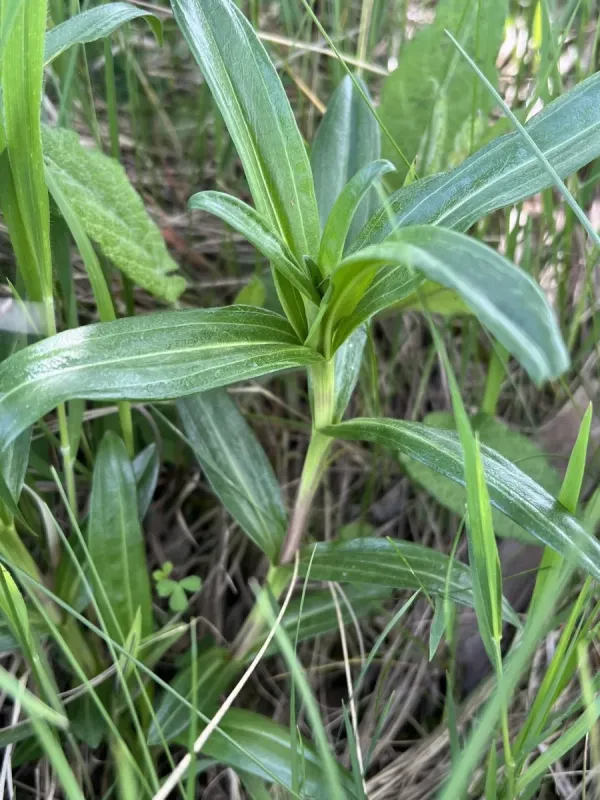
Description
Sowing dates
The cultivation of Gentiana cruciata L., a member of the Gentianaceae family, begins with seed propagation. Due to the biological characteristics of the seeds, they require a period of cold stratification to break dormancy before germination can occur.
For outdoor sowing, the most effective method is late autumn planting. The natural winter temperatures provide the necessary chilling effect, allowing the seeds to germinate uniformly as soon as spring temperatures begin to rise.
If sowing is conducted in spring, seeds should be mixed with damp sand and placed in a refrigerator at approximately +4°C for at least eight weeks. This ensures that the dormancy mechanisms are properly deactivated.
Since the seeds are extremely small, they should be surface-sown on fine, well-prepared soil. Only a light dusting of sand or vermiculite is needed to prevent them from being washed away while still allowing light to reach the seeds.
Initial development of seedlings is very slow, often focusing on root establishment rather than top growth. It is essential to ensure that the seedbed remains consistently moist but not waterlogged during the first few months of growth.
Growing requirements
Cross Gentian thrives in sunny or semi-shaded locations with well-drained, nutrient-rich soils. While it is quite hardy, it performs best in soils with a pH ranging from slightly acidic to neutral.
Soil structure is critical; the plants require good aeration to prevent root rot. Incorporating organic matter such as compost or well-rotted manure before planting can significantly improve the soil's water-holding capacity and fertility.
Proper water management is key to successful cultivation. While the plant can tolerate short dry spells once established, consistent moisture is necessary during the active growing season to support its vigorous root system.
The plant prefers temperate climates and is highly tolerant of cold temperatures. However, it does not appreciate extreme, prolonged heat or high humidity, which can lead to fungal issues and physiological stress.
When grown commercially, maintaining a weed-free environment is essential for the crop's success. Mechanical weeding between rows or mulching can help protect the young plants from competition for nutrients and water.
Main diseases and pests
The primary concern for Gentiana cruciata is the development of fungal infections, particularly those caused by excessive soil moisture and poor air circulation around the crown of the plant.
Slugs and snails can pose a significant threat, especially to young seedlings. Implementing physical barriers or organic pest control methods early in the season is vital to prevent severe damage to the foliage.
Powdery mildew can occasionally appear, manifesting as a white, dusty coating on the leaves during warm, humid weather. Maintaining proper plant spacing helps ensure good ventilation and reduces the likelihood of outbreaks.
Root rot is the most common cause of failure in poorly drained soils. It is critical to ensure that the planting site has adequate slope or a subsurface drainage system to prevent water saturation.
Regular monitoring of the plantation is recommended to detect any pest or disease outbreaks early. Quick intervention with approved methods helps maintain the health and yield potential of the entire crop.
Harvesting
The primary part of the Cross Gentian used in herbal applications is the root system. Harvesting is typically carried out once the plants have reached maturity, usually between the third and fourth year of growth.
Harvesting is best performed in late autumn, once the foliage has turned yellow and the plant enters dormancy. This timing ensures the roots contain the highest concentration of bioactive compounds.
The roots must be carefully excavated to avoid breakage. After extraction, they are thoroughly washed to remove soil and debris, taking care not to soak them for too long, which could lead to the loss of active ingredients.
Drying should be conducted rapidly at low temperatures, typically around 45°C. Efficient drying prevents the development of mold and preserves the medicinal quality of the raw material.
Once dried, the roots should be stored in cool, dark, and dry conditions to ensure long-term stability. Properly processed material can retain its efficacy for several years when stored correctly.