
Gentian hybrid
Gentiana makinoi Kuzen. x Gentiana scabra Bunge
Description
Sowing dates
Propagation of this hybrid gentian is best performed through vegetative division of the root system. This method ensures the preservation of the hybrid's specific floral traits, which may be lost if grown from seed.
Divide mature plants during the dormant phase in early spring or early autumn. Use a sharp, sterile tool to split the rhizome, ensuring each section has healthy root development and at least one growth bud.
If sowing seeds, stratification is a mandatory step to break dormancy. Use a fine-textured, sterile peat-based medium and maintain constant humidity in a greenhouse or cold frame environment until germination occurs.
Transplanting seedlings or divisions to their permanent site should occur once the soil has warmed and the risk of frost has passed. Ensure the planting hole is deep enough to accommodate the roots without bending them.
Space the plants approximately 25 cm apart to allow for adequate airflow around the foliage. Proper spacing is a critical cultural practice to prevent the build-up of excess moisture within the plant clump.
Growing requirements
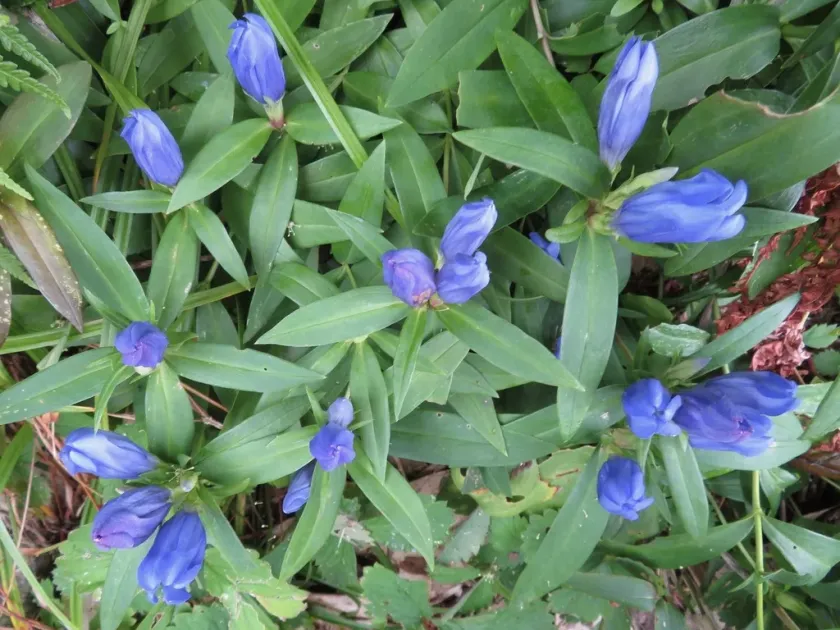
Belonging to the Gentianaceae family, this hybrid is a cross between Gentiana makinoi and Gentiana scabra. It is highly valued in horticulture for its dense, deep blue trumpet-shaped flowers and compact growth habit.
The plant requires well-drained, nutrient-rich, slightly acidic to neutral soil. Incorporation of organic matter, such as compost or leaf mold, improves the soil structure and water-holding capacity while ensuring good drainage.
Optimal environmental conditions include partial shade and protection from the intense midday sun. In cooler climates with high atmospheric humidity, the plants can tolerate more sunlight if the roots remain cool and moist.
Consistent moisture is essential during the active growing season. Avoid overhead watering, which can splash soil onto the foliage and encourage fungal diseases; instead, water directly at the base of the plant.
Fertilization should be handled with care. A slow-release, low-nitrogen fertilizer applied in early spring supports healthy foliage and robust bloom production without promoting leggy, weak growth.
Main diseases and pests
Slugs and snails are the most common pests, as they find the tender, succulent leaves of the gentian highly attractive. Regular monitoring and the use of physical barriers like copper tape or crushed eggshells are effective.
Leaf spot and gray mold (Botrytis) can become problematic during periods of prolonged rainfall or in overcrowded conditions. Improved ventilation and removal of decaying plant debris are essential for prevention.
Aphids occasionally infest the flower buds during late spring. If left unchecked, they can cause stunted flowering and attract secondary infections; insecticidal soaps are usually sufficient for control.
Root rot is almost exclusively caused by overwatering or poor soil drainage. If the soil becomes waterlogged, the roots will quickly succumb to fungal pathogens, often leading to the sudden collapse of the plant.
Viral infections may occur, showing as mottled leaves or yellowing patterns. Such plants should be removed and destroyed immediately to prevent the spread of the virus to healthy specimens in the garden.