
Stemless gentian
Gentiana acaulis L.
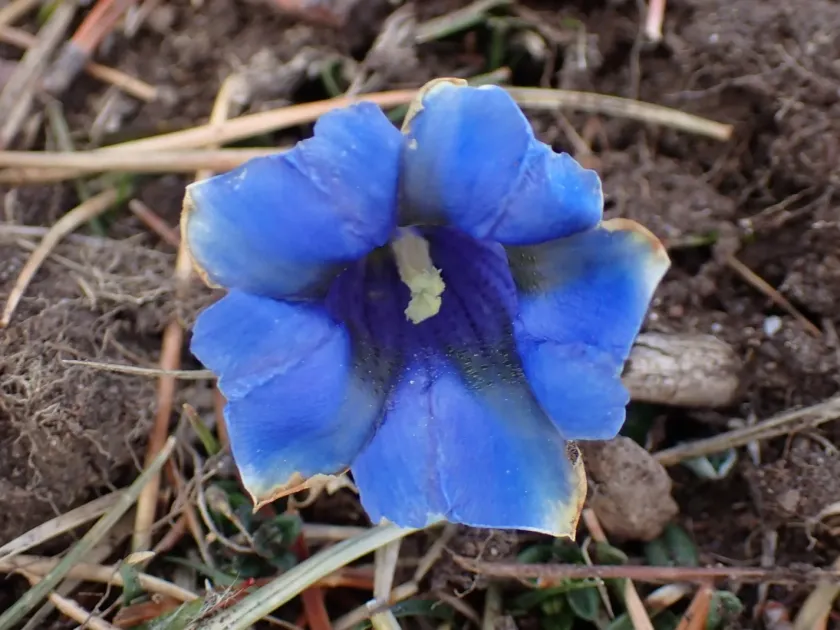
Description
Sowing dates
Stemless gentian seeds possess a deep dormancy and require cold stratification to germinate effectively. The most successful approach involves sowing seeds outdoors in late autumn, allowing the natural winter cycle of freezing and thawing to break the dormancy period.
For indoor propagation, seeds should be sown in containers during late winter and kept in a cool environment, ideally between +4°C and +5°C, for several weeks. This method mimics the high-altitude conditions these plants are adapted to in their natural European mountain habitats.
Germination is often slow and requires patience from the gardener. Once seedlings emerge, they develop at a steady but gradual pace. It is crucial to maintain a consistent level of moisture in the seedbed, as drying out at this stage can be fatal to the young plants.
Pricking out seedlings should be done with extreme care to avoid disturbing the fragile root system. Ideally, move the young plants to their permanent outdoor location once they are sturdy enough, taking care to minimize any trauma to the soil surrounding the roots.
Choosing the right permanent spot is essential because Gentiana acaulis dislikes being moved. By selecting a location that perfectly suits its needs from the beginning, you ensure that the plant establishes a deep root system that supports long-term health and vigorous blooming.
Growing requirements
Gentiana acaulis, a member of the Gentianaceae family, is a classic alpine perennial native to the mountains of Europe. It thrives in cool climates, preferring locations where the air remains crisp and moisture levels are consistent throughout the growing season.
The plant requires fertile, well-draining soil with a neutral to slightly acidic pH. Avoid heavy, waterlogged soils at all costs, as the roots are highly susceptible to rot when exposed to stagnant water. Incorporating grit or sand into the planting hole can improve drainage significantly.
In terms of light, stemless gentian prefers full sun, though in warmer regions, it benefits from light afternoon shade to protect it from extreme heat. Its compact, rosette-forming habit makes it an exceptional choice for rock gardens, stone troughs, and alpine borders.
The plant is biologically characterized by its large, trumpet-shaped, vibrant blue flowers that bloom almost directly from the basal leaf rosettes. This unique growth habit is the reason for its common name, as it appears to lack a visible stem during the flowering period.
Maintenance is relatively straightforward: keep the soil evenly moist and apply a layer of gravel mulch around the base of the plant. This mulch helps keep the root zone cool and prevents moisture from accumulating around the foliage, which is a common cause of health issues.
Main diseases and pests
Fungal diseases, particularly gray mold (Botrytis), pose a significant threat to stemless gentian, especially in humid or poorly ventilated conditions. Prevention focuses on ensuring adequate air circulation and keeping the foliage as dry as possible during damp weather periods.
Slugs and snails can be highly destructive, feeding on the tender leaves and developing flower buds. Gardeners should implement protective measures, such as copper tape or organic slug pellets, particularly during the spring when new growth is most vulnerable to attack.
Aphids may occasionally infest the plants, causing distorted growth. Regular monitoring is encouraged, and if an infestation is spotted, gentle insecticidal soaps can be used to control the population without harming the overall health of the specimen.
Root rot is often the result of improper soil management or overwatering. By prioritizing high-quality drainage in the initial planting design, you significantly reduce the risk of this devastating condition and help the plant maintain its vigor throughout the year.
Finally, avoid over-fertilizing with nitrogen, as this leads to succulent growth that is more prone to pest damage and disease. A balanced, low-concentration fertilizer applied sparingly is sufficient to support the plant's natural rhythm and blooming cycle.