
Whorled mint
Mentha x verticillata L.
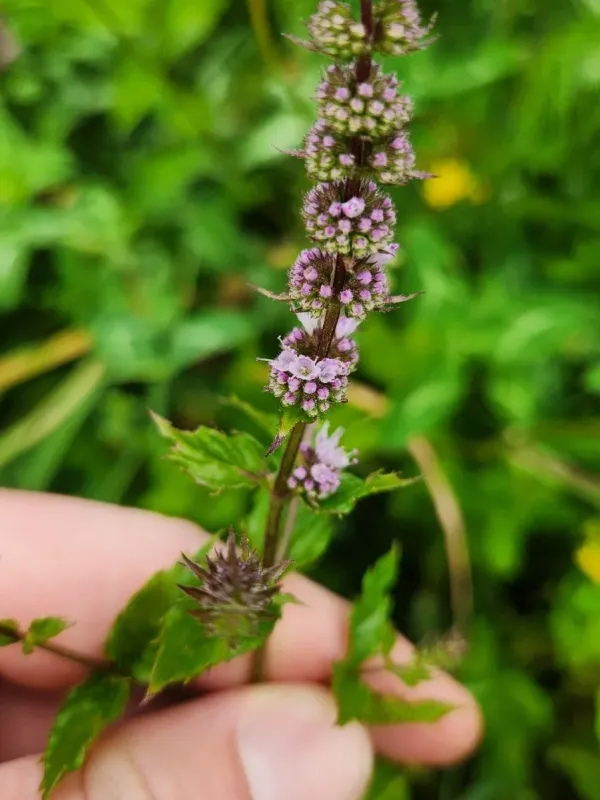
Description
Sowing dates
Whorled mint (Mentha x verticillata) is a perennial herbaceous plant belonging to the Lamiaceae family. It is a natural hybrid, valued for its aromatic essential oils and robust growth habits in various environments.
Propagation is primarily vegetative, utilizing rhizome segments. Planting is ideally performed in early spring as soil temperatures rise, ensuring the roots have enough time to establish before the heat of summer.
When establishing a production field, rhizomes should be planted 5–10 cm deep. Proper row spacing, typically 60–70 cm, is essential to facilitate mechanical weeding and ensure airflow between plants.
Field preparation requires thorough weed removal and the incorporation of organic matter. Soil structure should be loose and friable to encourage the rapid horizontal spread of the mint rhizomes.
Maintaining consistent soil moisture immediately after planting is critical. The young plants need stable conditions to overcome transplant shock and initiate a healthy root network.
Growing requirements
Whorled mint thrives in fertile, moisture-retentive soils. Loamy soils and alluvial plains are ideal, as they provide both the necessary nutrients and the water capacity required for vigorous growth.
The plant is highly water-demanding throughout its growing season. Drought stress severely impacts the oil yield and overall biomass production, necessitating a well-managed irrigation system.
Optimal light exposure is essential for high essential oil concentrations. While the plant can tolerate partial shade, full sun promotes better branching and a higher density of oil-producing glands on the leaves.
The pH balance of the soil should be maintained between 6.0 and 7.0. Soils that are excessively acidic or alkaline can impede the plant's nutrient uptake, leading to chlorosis and stunted growth.
Nutrient management focuses on balanced fertilization. Nitrogen promotes green leaf production, while phosphorus and potassium are essential for winter hardiness and the secondary metabolism that produces aromatic compounds.
Yield
Yields of fresh biomass depend on the number of cuts per season. Under optimal conditions and proper irrigation, growers can expect 15–25 tonnes of raw biomass per hectare annually.
The essential oil content is highest during the full flowering phase. Harvesting at the right phenological stage is crucial to ensure that the concentration of menthol and other terpenes meets industrial requirements.
Plantations remain productive for 4–5 years. After this period, the root system often becomes overly dense, leading to a decline in leaf size and total oil quality, which signals the need for site renewal.
Yield can be improved by regular trimming, which prevents the plant from becoming woody and encourages the development of fresh, high-oil-content shoots throughout the summer.
Environmental conditions, particularly temperature fluctuations during the flowering stage, significantly influence the final chemical profile and weight of the harvested product.
Main diseases and pests
Common plant health threats include fungal infections such as mint rust and powdery mildew. These diseases flourish in humid environments with poor canopy ventilation, which can quickly devastate a field.
Insect pests such as mint aphids and flea beetles can damage leaf tissue. Integrated pest management strategies are necessary to minimize economic loss while keeping the crop safe for commercial use.
Sanitation practices are the first line of defense. Removing crop residues after harvest and maintaining weed-free buffers around the field helps reduce the reservoir of pathogens and pests.
Biological controls or targeted, eco-friendly pesticides are preferred over synthetic chemicals to ensure that the essential oil remains free of contaminants and residues.
- Consistent monitoring for leaf spot symptoms.
- Improving site drainage to prevent pathogen growth.
- Implementing crop rotation to break the pest cycle.
Harvesting
Harvesting is performed during the peak flowering period to capture the highest essential oil potential. It is best to harvest in the morning once dew has evaporated to ensure the material is dry.
Mechanical harvesting requires sharp blades to cut the stalks at a height of 5–8 cm. This encourages regrowth from the rhizomes, allowing for multiple harvests within a single growing season.
Immediate drying is required post-harvest. The plant material should be spread in thin layers in a shaded, well-ventilated area or a specialized dryer at temperatures not exceeding 40 degrees Celsius.
Whorled mint serves as a key raw material for the flavoring and fragrance industries, as well as in herbal medicine. Its extracts are used in teas, cosmetics, and various pharmaceutical preparations.
Proper storage involves using airtight, light-resistant containers. Keeping the dried mint in a cool, dry environment ensures that the quality and aromatic profile are preserved for long-term use.