
White plume wormwood
Artemisia lactiflora Wall. ex DC.
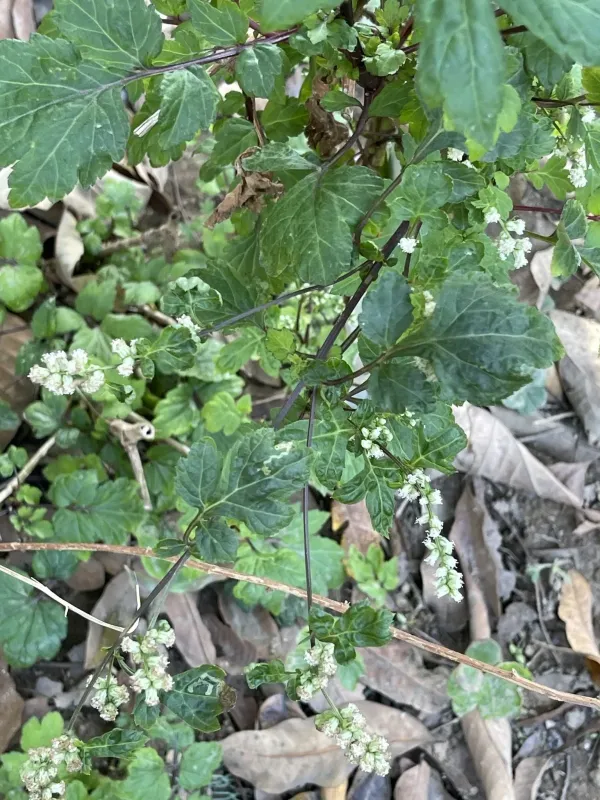
Description
Sowing dates
Artemisia lactiflora, commonly known as white plume wormwood, is a hardy perennial belonging to the Asteraceae family. Propagation is typically achieved via seed, cuttings, or root division, with seed starting in early spring under controlled indoor conditions.
When sowing seeds directly, wait until the soil temperature reaches at least 15 degrees Celsius. Surface sowing is recommended as seeds are light-dependent for germination, and they should be pressed lightly into the growing medium rather than buried deep.
Transplanting seedlings requires caution to protect the delicate root system. Aim to move them to their permanent location once the risk of frost has passed, ensuring sufficient spacing of at least 50 centimeters between plants to allow for healthy airflow.
Vegetative propagation by division is the most efficient method for maintaining consistent plant characteristics. Early spring is the optimal time for this, while the plant is still in its early stage of active development.
Soil preparation is essential for successful establishment; ensuring a well-tilled, weed-free environment provides the best start for young plants, reducing competition and maximizing potential nutrient uptake.
Growing requirements
This species thrives in full sun but can tolerate partial shade, which is particularly beneficial in very hot climates. The soil should be fertile, moist, and well-drained, as the plant does not tolerate waterlogged conditions for extended periods.
Neutral to slightly acidic pH levels are ideal for optimal growth. Incorporating organic compost or well-rotted manure during the site preparation stage significantly improves soil structure and nutrient availability.
While relatively resilient, the plant benefits from protection against harsh, desiccating winds. In regions with freezing winters, providing a layer of mulch around the root zone helps regulate soil temperature and prevent frost heave.
Consistent moisture is required during the first year of establishment. Once mature, Artemisia lactiflora displays a moderate tolerance to drought, though regular watering during peak summer maintains foliage quality.
Avoid excessive nitrogen fertilizers, which can cause the plant to grow too rapidly and become weak, increasing the likelihood of lodging and susceptibility to environmental stresses.
Main diseases and pests
White plume wormwood is generally robust, but powdery mildew can occur in stagnant, humid environments. Maintaining proper spacing and ensuring excellent airflow are primary cultural methods for disease prevention.
Root rot is the most common issue related to overwatering or poor drainage. If signs of wilting appear, drainage must be improved immediately, and fungicides may be utilized if a fungal pathogen is identified.
Aphids are the most frequent insect pest, particularly targeting new growth in late spring. Natural predators like ladybugs often control these populations, but soap sprays can be applied in case of severe infestations.
Leaf miners might occasionally create silvery trails on the foliage, which is mainly a cosmetic issue. Removing the most heavily affected leaves usually keeps the problem under control without requiring extensive chemical intervention.
Regular sanitation, such as removing debris and weeds around the plants, significantly contributes to a healthy cultivation environment, minimizing the buildup of pests and diseases.
Harvesting
Harvesting for medicinal or floral purposes should occur during peak bloom in late summer. During this phase, the concentration of essential oils and aromatic compounds is at its maximum level.
Cut the stems using sharp, sanitized shears about 10-15 centimeters above the soil level. Clean harvesting tools after each session to prevent the potential spread of pathogens between plants.
Drying must be conducted in a cool, dark, and well-ventilated area to preserve the color and chemical integrity of the leaves and flowers. Air-drying in bunches is the preferred method for the best results.
If harvesting for ornamental use, harvest flowers before they fully open to prolong their vase life. For essential oil extraction, precise timing relative to weather conditions is critical to maximizing the harvest yield.
Post-harvest management involves tidying the plantation and applying a final layer of compost to help the plants store energy before entering the winter dormancy period.