
Genepi
Artemisia umbelliformis Lam.
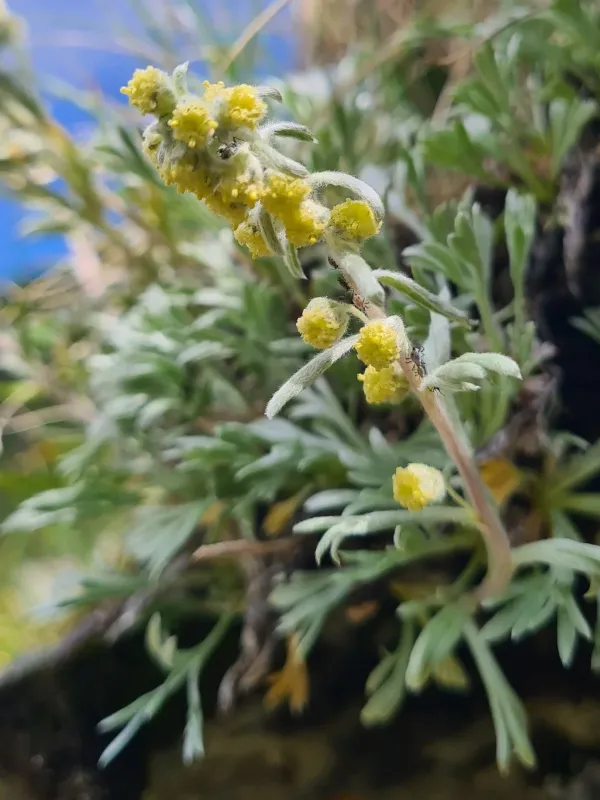
Description
Growing requirements
Genepi (Artemisia umbelliformis) is a perennial herb belonging to the Asteraceae family. It is native to the high-altitude regions of the Alps and Pyrenees, where it thrives in rocky outcrops and alpine meadows. This species is highly adapted to short growing seasons and extreme mountain climates.
When cultivated, the plant requires excellent drainage to survive. The soil should be poor, rocky, or sandy, mimicking the natural alpine environment. Waterlogged conditions are detrimental to the plant, often leading to rapid decline or death of the root system during the dormant or growing phase.
Climatic requirements involve high levels of solar radiation and exposure to cool temperatures, which are essential for the plant to develop its characteristic chemical composition. High-altitude origins mean it is naturally cold-hardy, but it requires protection from excessive summer heat in low-land cultivation scenarios.
Agricultural management is relatively low-input. Maintenance involves removing weeds that could compete for space and ensuring that the soil structure remains loose and aerated. Irrigation should be applied only during the establishment phase or extreme drought, as the plant is inherently adapted to water-scarce conditions.
The primary economic value of this crop lies in its use for distilling herbal liqueurs and aperitifs, notably the famous Genepi liqueur. Furthermore, it is valued in the pharmaceutical industry for its anti-inflammatory and antiseptic properties, making it a highly sought-after botanical commodity.
Main diseases and pests
The most significant threat to a crop of Artemisia umbelliformis is fungal infection, particularly root rot, caused by poor soil drainage or high humidity levels. Once established, these infections are difficult to control without damaging the crop's quality standards.
Pest pressure is generally low due to the plant's high content of essential oils, which act as a natural deterrent. However, infestations of aphids can occasionally occur during particularly warm and dry springs, necessitating careful monitoring and manual intervention if needed.