
Wormwood
Artemisia absinthium L.
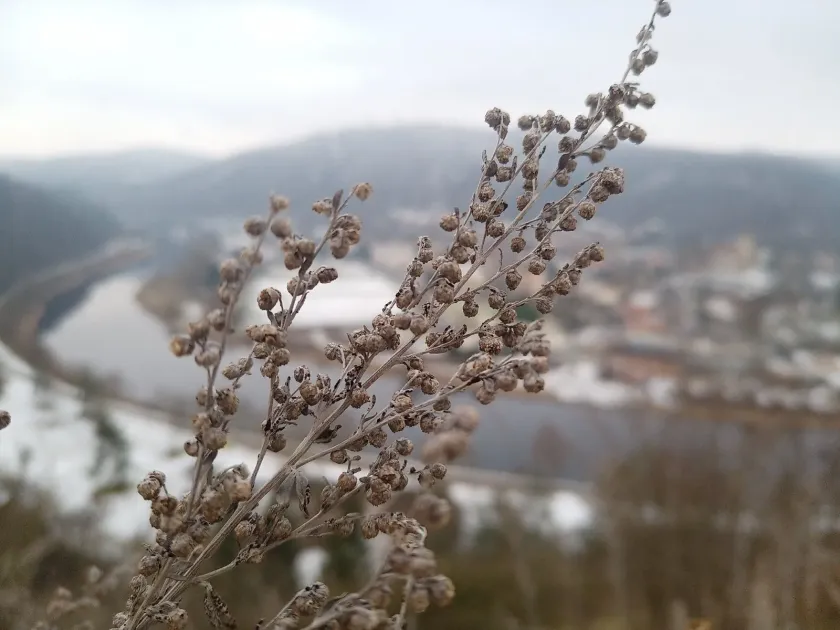
Description
Sowing dates
Wormwood (Artemisia absinthium L.) is a perennial herbaceous plant belonging to the Asteraceae family, known for its bitter profile and essential oils.
Seeds are sown in late autumn or early spring, as they require cold stratification to break dormancy and ensure uniform germination.
The seeds are very fine, so they should be sown on the surface or lightly covered with soil to allow sufficient light exposure for growth.
Vegetative propagation via root division is also common, allowing growers to produce plants with consistent characteristics for industrial use.
Planting density is usually maintained at 60 cm between rows and 30–40 cm between individual plants to ensure adequate air circulation.
Growing requirements
Wormwood thrives in well-drained, sandy loam soils with a neutral pH, though it is quite adaptable to different soil textures.
The plant is highly drought-tolerant, but regular, moderate watering during the vegetative stage helps maximize biomass production.
Sunlight is critical for wormwood; the plants must be situated in full sun to increase the concentration of active medicinal compounds.
Avoid planting in waterlogged or low-lying areas, as excessive soil moisture can cause root rot and significantly weaken the crop.
Minimal fertilization is required, but providing balanced nutrients in early spring can boost vegetative growth and increase overall yield.
Yield
The yield of dried foliage typically ranges from 1.5 to 2.5 tonnes per hectare depending on site conditions and soil fertility.
Oil yield peaks during the flowering period, making the timing of harvest essential for commercial producers looking for high potency.
Wormwood crops can remain productive for up to 5–7 years, though the best quality is usually achieved within the first few years.
Crop maintenance, including weed control and thinning, is necessary to prevent overcrowding, which can lower the essential oil quality.
Post-harvest processing should be swift to prevent the loss of volatile compounds, which are sensitive to heat and direct sun exposure.
Main diseases and pests
Powdery mildew and rust are common fungal diseases that can affect the plants, especially during periods of high humidity and poor ventilation.
Pests such as aphids and spider mites may infest the soft tips of the shoots, causing stunted growth and reducing the harvest quality.
Maintaining a healthy crop rotation and removing debris from the field are essential practices to minimize the risk of recurring infections.
Biological control methods are preferred, but in severe cases, approved insecticides may be used provided the pre-harvest interval is respected.
Early detection is key; regular scouting of the field helps to manage threats before they reach an economic damage threshold.
Harvesting
Harvesting is performed during the peak flowering stage, as this is when the plant contains the highest level of absinthin and essential oils.
The top 20–25 cm of the flowering leafy shoots are cut, ensuring no thick, woody stems are included in the harvested raw material.
Once harvested, the material should be dried immediately in a shaded, well-ventilated area to maintain its natural green color.
Drying temperatures must be kept below 40°C to ensure the aromatic properties of the essential oils are not destroyed by heat.
After proper drying, the product should be stored in airtight containers away from direct sunlight to preserve its efficacy and quality.