
Louisiana Sage
Artemisia ludoviciana Nutt. x Artemisia stelleriana Besser
Description
Growing requirements
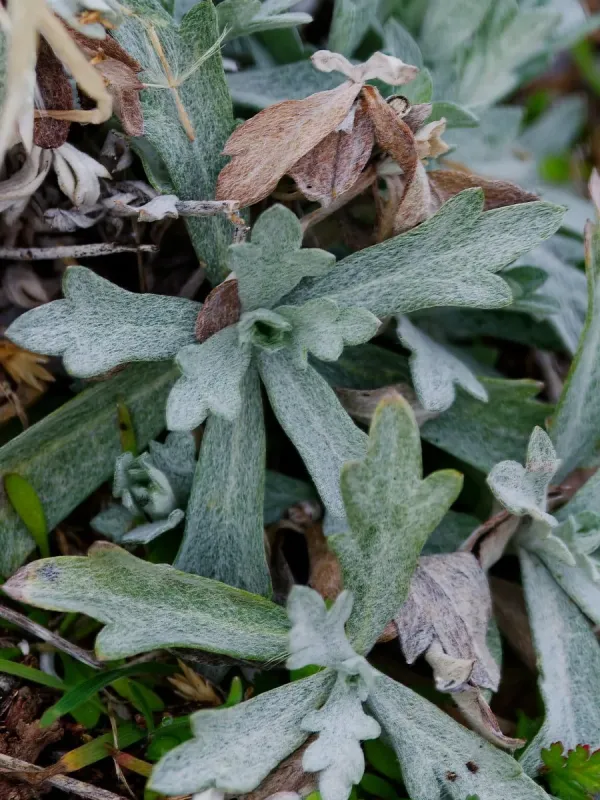
Louisiana Sage (Artemisia ludoviciana) is a prominent member of the Asteraceae family, valued for its striking silvery-white foliage and exceptional resilience. It is widely used in xeriscaping and sustainable garden designs due to its architectural form.
The plant originates from the dry regions of North America, where it has evolved to thrive in poor soils and variable temperatures. Hybrids, including those involving Artemisia stelleriana, exhibit enhanced foliage texture and vigor, making them popular in temperate climates.
Site selection is crucial: the plant demands full sun exposure to maintain its characteristic silvery color. In shaded conditions, the foliage tends to turn green and the plant becomes prone to legginess, which significantly impacts its ornamental value.
Soil drainage is the most critical requirement for successful cultivation. Louisiana Sage requires well-draining, sandy, or rocky soil. Heavy or waterlogged soils often cause root rot and will lead to the rapid decline of the planting site within a single season.
Maintenance involves minimal intervention: regular pruning in early spring encourages dense, fresh growth. Given its natural drought tolerance, the plant does not require heavy watering or fertilization, and it proves to be quite winter-hardy across many hardiness zones.
Main diseases and pests
While relatively pest-free, the plant can be susceptible to powdery mildew during humid, cool spells. Providing adequate spacing between plants is essential to ensure proper air circulation and reduce the incidence of fungal pathogens in dense colonies.
Aphids and spider mites are the most frequent pests, particularly during periods of intense heat. Monitoring the underside of leaves for these insects is recommended, with horticultural oils or insecticidal soaps applied as soon as infestations are detected.
Root rot caused by stagnant water is the primary physiological threat. To mitigate this risk, gardeners should incorporate gravel or coarse sand into the planting medium to facilitate rapid moisture discharge from the root zone.
The aggressive nature of its rhizomes can lead to the plant overrunning smaller or more delicate neighbors. Implementing root barriers or selecting an appropriate container can help maintain a clean and organized layout in the landscape.
Regular sanitation, including the removal of dead or spent foliage, helps keep the plant looking fresh and prevents the accumulation of debris that could harbor harmful fungal spores during the dormant winter months.