
Sweet wormwood
Artemisia annua L.
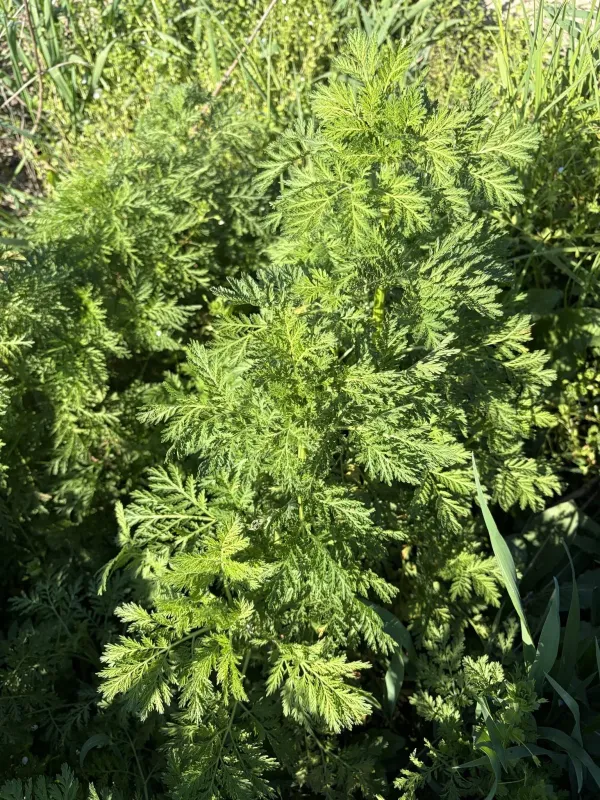
Description
Sowing dates
Sweet wormwood (Artemisia annua L.), a member of the Asteraceae family, is a highly valued herbaceous plant known for its medicinal properties. Cultivation requires precise timing and site preparation to maximize its secondary metabolites.
In temperate climates, direct seeding is performed in spring once soil temperatures reach 10–12°C. For cooler regions, starting plants in greenhouses as seedlings 4–6 weeks before transplanting is the preferred method to ensure a longer growing season.
The seeds are extremely small and should not be buried deeply. They require light to germinate; therefore, surface sowing followed by gentle pressing into moist soil is the recommended practice for successful stand establishment.
Row spacing is typically set between 45–60 cm to allow for adequate growth and airflow. Proper spacing is essential not only for yield maximization but also for facilitating mechanical maintenance and subsequent harvesting operations.
Initial irrigation is critical after sowing. Moisture must be maintained constantly during the germination phase, as the small seedlings are highly sensitive to drought until their root systems are sufficiently developed.
Growing requirements
Sweet wormwood is a sun-loving plant that requires full exposure to sunlight to thrive. Adequate light intensity is directly linked to the accumulation of artemisinin, the primary compound extracted from the foliage.
The crop prefers well-drained, fertile sandy or loamy soils with a neutral pH. While it is generally adaptable, waterlogged conditions must be avoided at all costs, as the plant is highly susceptible to root rot in saturated soils.
The species is known for its tolerance to dry conditions once established. However, for commercial production aimed at high biomass yields, supplementary irrigation during prolonged dry spells is highly beneficial.
Balanced fertilization is key to growth. Excessive nitrogen promotes rapid vegetative growth but can dilute the concentration of active medicinal compounds. Phosphorus and potassium applications support root strength and overall plant resilience.
Inter-row cultivation is a standard practice to keep fields free of weeds. By maintaining clear rows, the crop is able to access maximum soil nutrients and water, reducing competitive stress from invasive flora.
Yield
Yields of sweet wormwood vary depending on agronomic practices and environmental conditions. Growers can typically expect a harvest of 5 to 15 tons of dry biomass per hectare under favorable management practices.
The primary quality parameter for the harvest is the artemisinin content. This compound reaches its peak concentration during the late vegetative stage, just before the plant enters the full flowering phase.
Mechanical harvesting is generally used for large-scale operations. The timing of the harvest is crucial; it must be timed exactly to the onset of budding to ensure that the active pharmaceutical ingredients are at their maximum level.
Post-harvest management involves rapid drying to prevent degradation of chemical compounds. The foliage should be dried in a shaded, well-ventilated area away from direct ultraviolet light, which can break down active constituents.
After reaching the target moisture content, the dried material should be processed and stored in controlled environments. Proper storage prevents moisture regain and maintains the potency of the medicinal product until delivery to the processing facility.
Main diseases and pests
Sweet wormwood is generally robust due to its aromatic oils, which act as a natural defense. However, improper field management can lead to the development of various fungal pathogens, especially in humid conditions.
Powdery mildew is the most common threat in crowded or poorly ventilated plantings. Maintaining adequate spacing and thinning dense stands are effective preventative measures to reduce the humidity levels around the foliage.
Root-related diseases are frequently encountered when the soil has poor drainage. Ensuring the field is situated on slightly elevated ground or has an efficient drainage system is essential for long-term crop health.
Occasional pest outbreaks, such as aphids, can occur in the early stages of growth. In professional settings, targeted biological control methods are preferred to preserve the organic integrity of the medicinal harvest.
Crop rotation is an essential component of the integrated pest management plan for this plant. By rotating away from the Asteraceae family for several years, farmers can successfully prevent the buildup of soil-borne pathogens and pests.