
Gmelin's wormwood
Artemisia gmelinii Weber ex Stechm.
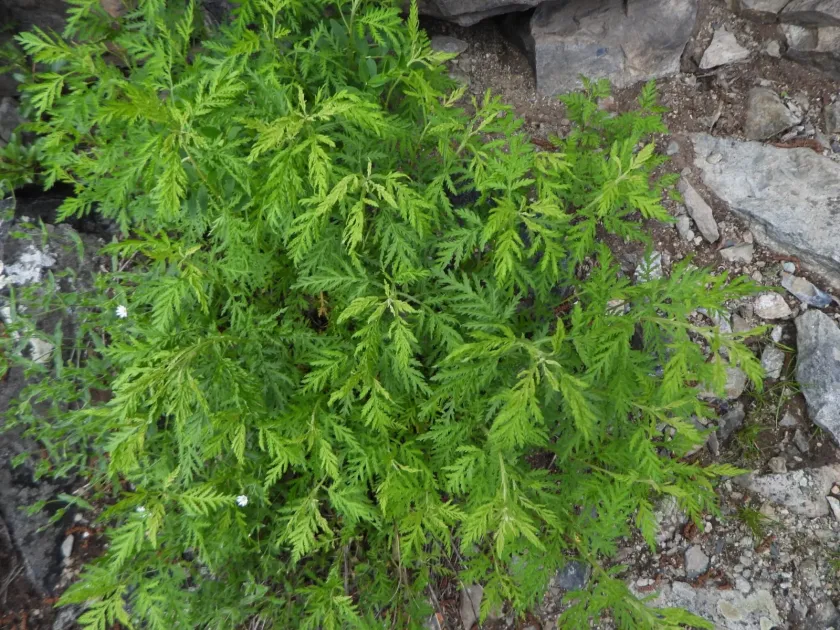
Description
Growing requirements
Gmelin's wormwood thrives in various soil types, preferring well-drained, sandy, or rocky substrates. It is essential to ensure that the site has excellent drainage, as the plant is highly sensitive to waterlogging, which can lead to rapid root rot.
As a light-loving species, this plant requires full sun exposure to maximize the concentration of its active medicinal compounds. Shaded environments will significantly lower the quality of the harvested biomass.
The crop is highly drought-tolerant once established, making it suitable for areas with irregular precipitation. It handles extreme temperature fluctuations, from very cold winters to scorching summers, with exceptional stability.
Regarding soil pH, the plant prefers slightly acidic to neutral environments. While it has a high tolerance for poor soil fertility, light nitrogen fertilization can enhance biomass production, though excessive nitrogen may negatively impact oil quality.
Proper field maintenance includes early-stage weed control. Once the plants form a dense canopy, they are quite effective at suppressing weeds independently, which reduces the need for intensive mechanical or chemical intervention.
Main diseases and pests
Common pests include aphids, which often cluster on young stems and leaf undersides, extracting sap and weakening the plant. Integrated pest management, focusing on biological control agents, is recommended for this crop.
Powdery mildew is the most frequent fungal issue, particularly in humid or poorly ventilated stands. Maintaining appropriate plant density is crucial to ensure adequate airflow and reduce the humidity levels that favor fungal growth.
Root rot occurs primarily in sites with high groundwater levels or poor drainage. Selecting elevated planting sites and proper soil preparation are the primary measures for preventing this type of damage.
Rust diseases can also manifest as brownish spots on the foliage. While usually not lethal, they can reduce the quality of the herbal product, so early identification and removal of infected leaves are vital.
Due to the specific medicinal use of the plant, minimizing synthetic chemical use is recommended. Biological fungicides and organic insecticides are the preferred choice for ensuring high-quality, compliant medicinal raw materials.