
Balchan wormwood
Artemisia balchanorum Kkasch
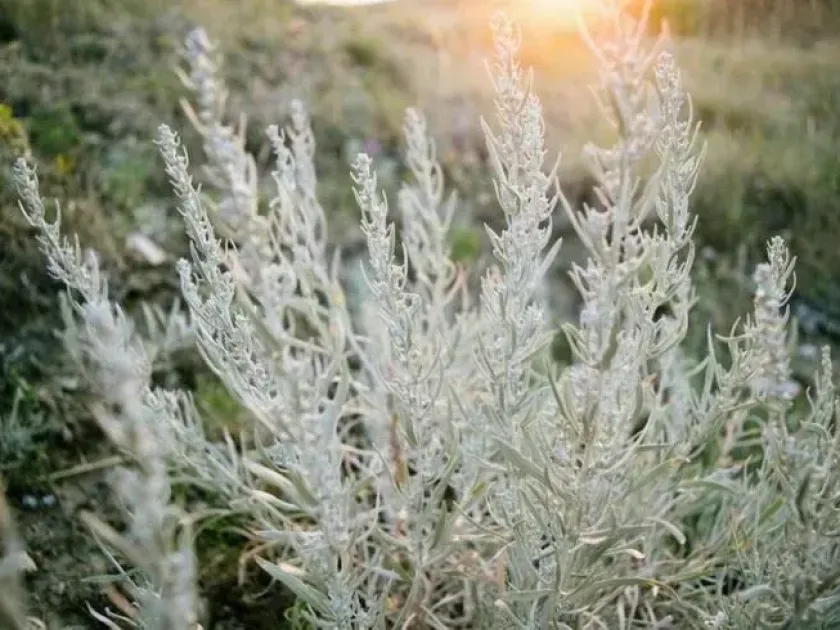
Description
Sowing dates
Balchan wormwood (Artemisia balchanorum) is a perennial aromatic plant belonging to the Asteraceae family. For commercial cultivation, vegetative propagation such as division of the bush or cuttings is preferred, as this method preserves the essential aromatic properties and specific characteristics of the parent plant.
The optimal time for planting seedlings is early spring, once the soil has warmed up to 8–10 degrees Celsius, or in autumn, at least 3–4 weeks before the first hard frost. Spring planting is generally more successful in regions with harsh winters, allowing the plants to establish a robust root system before the cold season.
If propagation from seeds is chosen, they should be sown in greenhouses or seedbeds in late winter. Because the seeds are tiny, they should be sown on the surface with a very light covering of substrate and kept consistently moist until germination is complete.
Transplanting seedlings to open fields should follow a specific spacing pattern to provide sufficient nutrients and space for each plant. A common practice involves 60–70 cm between rows and 30–40 cm between individual plants, which ensures optimal canopy development and ease of maintenance.
Given that the root system grows rapidly, a plantation of Balchan wormwood can remain productive for 5–7 years. After this period, it is recommended to rejuvenate the site or transplant the culture to new, nutrient-rich soil to maintain high yields.
Growing requirements
Balchan wormwood is a light-loving and drought-tolerant plant originating from the arid regions of Turkmenistan (the Great Balkhan range). It is highly demanding regarding light levels; even slight shading can significantly reduce the concentration of essential oils in the leaves.
The crop thrives in light, well-drained sandy loam or loamy soils with a neutral or slightly alkaline pH. It is sensitive to waterlogging, as standing water or excessive humidity can cause root decay and severely damage the plant's health.
Climate requirements match a moderately continental zone. Although the plant is frost-hardy, mulching is advisable in regions with snowless winters and severe frost to protect the young shoots from physical damage.
Agricultural management includes regular cultivation between rows to improve soil aeration and suppress weeds that compete with the wormwood for nutrients and moisture during the plant's active growth phase.
Fertilization should be managed carefully. Excessive nitrogen promotes rapid vegetative growth but decreases the quality and oil content. It is recommended to prioritize phosphorus and potassium fertilizers to enhance the plant’s overall resilience and secondary metabolism.
Yield
The yield of Balchan wormwood depends heavily on the age of the plantation and the quality of agricultural care. Maximum productivity is usually reached during the 3rd or 4th year, when the bushes are fully developed and exhibit peak aromatic potential.
The average yield of dried mass ranges from 20 to 30 centners per hectare, depending on irrigation and soil fertility. With intensive farming practices and the use of precise micronutrient applications, these yields can be further improved.
The primary value of the harvest lies in its essential oil, extracted through steam distillation. The oil yield typically fluctuates between 0.5% and 1% of the raw biomass, making it a highly profitable niche crop for specialized agricultural producers.
Economic applications for the crop span the perfume, cosmetic, and pharmaceutical industries. Thanks to its unique terpene profile, the oil is a prized ingredient in sophisticated fragrance compositions and therapeutic formulations.
Furthermore, the food industry utilizes the plant for flavoring beverages and confectioneries. This versatility in usage ensures a stable and growing demand in both local and international markets for high-quality botanical raw materials.
Main diseases and pests
Balchan wormwood possesses strong natural phytoncidal properties, providing high resistance to many common agricultural diseases. However, improper farming techniques, particularly overwatering, can create conditions favorable for fungal infections.
The most significant threat is root rot, which typically stems from poorly drained soil or excessive moisture. Prevention requires strict monitoring of irrigation schedules and ensuring efficient drainage systems across the field.
Pests such as aphids and certain leaf-eating insects may occasionally infest the upper shoots. In most cases, mechanical removal or the use of eco-friendly biological insecticides is sufficient to manage these populations without impacting the chemical integrity of the essential oil.
The use of chemical pesticides should be avoided, as residues can negatively alter the composition of the essential oils, potentially rendering the harvest unsuitable for the pharmaceutical or cosmetic market.
Proactive management includes regular thinning to ensure proper air circulation within the plantation, which effectively prevents the development of molds and rot in the lower foliage and stems.
Harvesting
Harvesting should occur during the mass flowering phase, as this is when the concentration of essential oils in the leaves and blossoms is at its absolute peak. This timing is critical for ensuring the highest possible product quality.
Mowing should be performed in dry weather, preferably in the morning after the dew has evaporated. Using high-quality cutting equipment ensures a clean harvest, which promotes better regrowth of the plant for future seasons.
The harvested material must be processed or dried immediately to prevent degradation. Drying should be conducted in shaded, well-ventilated areas, away from direct sunlight, which can quickly evaporate and decompose the volatile essential oils.
Once dried, the wormwood should be stored in airtight containers protected from moisture, light, and heat. Under these conditions, the herb maintains its potency and aromatic profile for up to two years.
A second cut is possible if environmental conditions are favorable, though the yield and quality of the second harvest are typically lower than those of the primary summer harvest.