
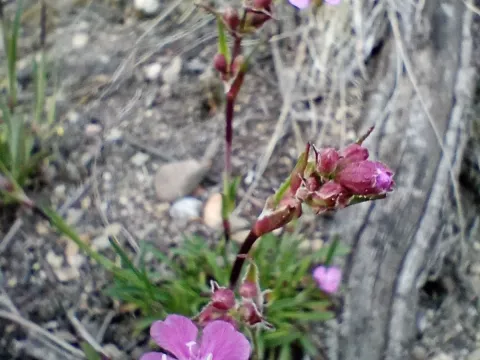
Sticky Catchfly
Viscaria
Viscaria vulgaris, commonly known as Sticky Catchfly, is a perennial flowering plant belonging to the Caryophyllaceae family. It is native to Europe and parts of Asia, typically found in meadows and woodland edges.
What the section contains


Sticky Catchfly
Seeds are typically sown in spring or late autumn. When starting indoors, use a well-draining seed-starting mix in March. Keep the seeds slightly exposed to light, as they require light for optimal germination.
When sowing outdoors, maintain a spacing of approximately 20–25 centimeters between individual plants. The small seeds should be surface-sown and only lightly covered with fine soil or sand to ensure proper contact and moisture retention.
The name "Sticky Catchfly" derives from the adhesive patches located below the nodes of the stems. This evolutionary trait serves as a defense mechanism against crawling insects that would otherwise steal nectar without pollinating the plant.
The plant blooms from late spring through mid-summer, reaching heights of 30 to 90 centimeters. Its erect stems and vibrant flowers make it a popular choice for rock gardens and perennial borders.
Sticky Catchfly thrives best in full sun but can tolerate partial shade. For maximum flower production, ensure the plant receives at least six hours of direct sunlight per day during the growing season.
Well-drained soil is crucial for this species. It performs exceptionally well in sandy or gravelly soils. If the native soil is heavy clay, amending it with organic matter and drainage materials is necessary to prevent waterlogging.
This plant is notably drought-tolerant once established and possesses excellent winter hardiness. During the initial growth phase, consistent watering is recommended to help the plant develop a strong root system.
Fertilization should be moderate; a balanced slow-release fertilizer applied in early spring is generally sufficient. Avoid excessive nitrogen, which promotes lush foliage at the expense of floral display.
Maintenance tasks include deadheading spent blooms, which prevents self-seeding and may encourage a secondary, albeit lighter, flush of flowers. Clearing away dead foliage in late autumn helps prepare the plant for winter dormancy.
The most common health issues for Viscaria vulgaris are fungal infections, such as powdery mildew and various root rots. These are primarily caused by poor drainage and stagnant air circulation around the plant base.
Good cultural practices, such as spacing plants adequately to allow airflow and avoiding overhead irrigation, are the most effective preventive measures against fungal pathogens.
Pests like aphids and spider mites can occasionally affect the plant during hot, dry weather. Regular monitoring and the application of insecticidal soap or specialized sprays can control these infestations effectively.
Slugs and snails may target the succulent leaves, especially during damp spring weather. Implementing physical barriers or using pet-safe slug pellets can protect younger plants from significant damage.
Early identification of pest or disease symptoms is vital for effective management. Maintaining plant vigor through proper site selection and soil preparation remains the best defense against recurring environmental threats.