
Red catchfly
Viscaria vulgaris
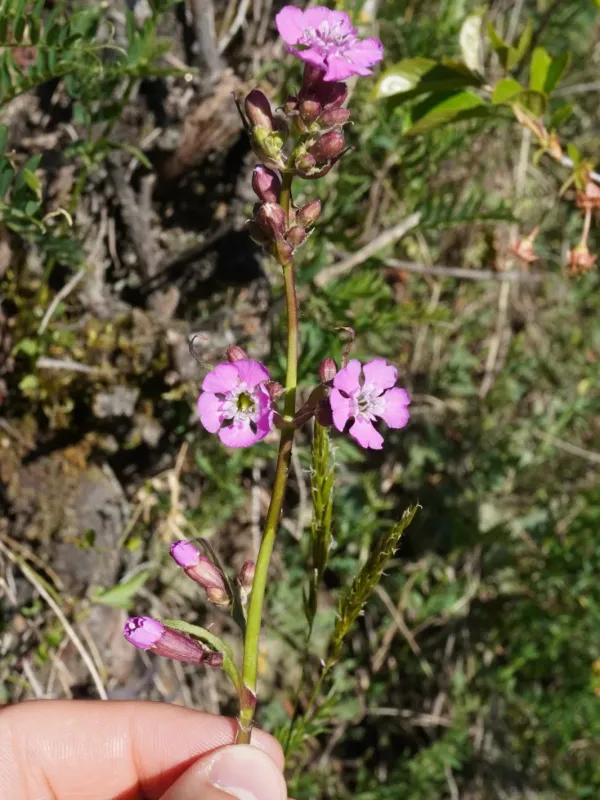
Description
Sowing dates
Direct sowing of Viscaria vulgaris into open ground is best performed in early spring, specifically April or May, or alternatively in late autumn for winter sowing.
When starting from seedlings, seeds should be sown in trays during March, maintaining an ambient temperature of approximately 18-20 degrees Celsius.
Germination typically occurs within two to three weeks; seedlings should then be transplanted into individual pots once the first true leaves appear.
Hardened seedlings are moved to their permanent outdoor location in late May, ensuring a spacing of 20 to 30 centimeters between individual plants.
For landscape design purposes, planting a density of 12 to 15 plants per square meter is recommended to achieve a full and vibrant floral display.
Growing requirements
Red catchfly belongs to the Caryophyllaceae family and is recognized as a hardy herbaceous perennial characterized by stems reaching up to 90 centimeters.
The plant thrives in full sun exposure, which is crucial for maintaining stem strength and ensuring abundant flower production throughout the season.
While the species is adaptable to various soil types, it performs optimally in light, well-drained loamy soils with a neutral or slightly acidic pH balance.
Proper drainage is the most critical agronomic requirement, as the plant is highly sensitive to root asphyxiation caused by waterlogged soil conditions.
The plant exhibits excellent winter hardiness, allowing it to withstand frost and low temperatures without the need for additional protective covering.
Main diseases and pests
The primary threat to the health of Viscaria vulgaris is moisture-related rot, which frequently occurs when soil drainage is inadequate or rain is excessive.
In humid or stagnant air conditions, plants are susceptible to powdery mildew, characterized by a white fungal coating on the surface of the foliage.
Common insect pests include aphids and spider mites, which can cause significant damage to young vegetative parts during the active growth phase.
Effective management strategies include ensuring proper airflow between plants, regular weeding, and avoiding excessive application of nitrogen-based fertilizers.
In cases of significant pest infestations, the use of targeted insecticide or acaricide treatments is recommended to preserve the integrity of the planting.