
Starry campion
Viscaria asterias
Description
Sowing dates
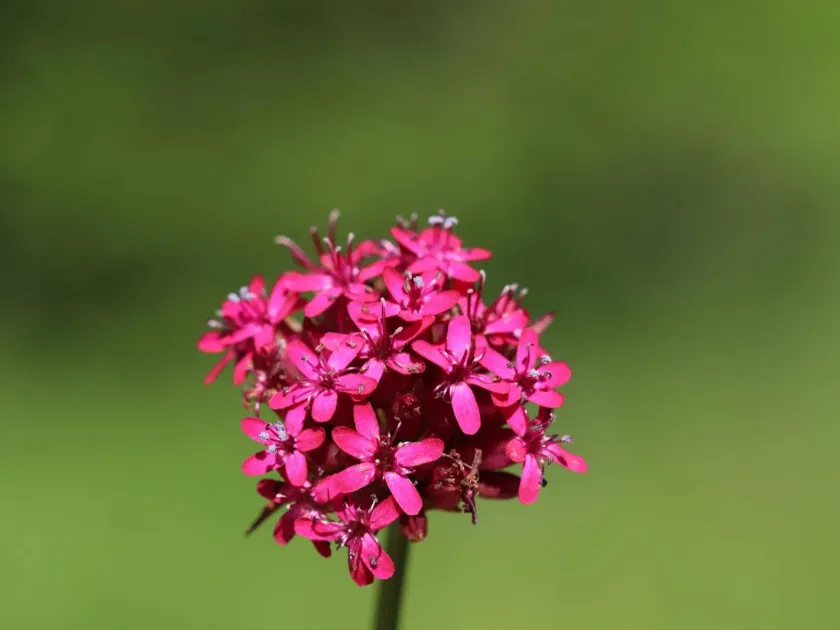
Starry campion (Silene stellata, formerly categorized under Viscaria asterias) is a long-lived perennial plant native to the woodlands and prairies of North America. It belongs to the Caryophyllaceae family and is highly valued for its delicate, star-shaped fringed petals.
Propagation is primarily achieved through seeds, which require a cold stratification period of about 4–6 weeks to break dormancy. Sowing can be done outdoors in late autumn, allowing the winter cold to naturally condition the seeds for spring germination.
For greenhouse or container cultivation, sow seeds on the surface of well-draining soil and press them lightly, as they require light to germinate effectively. Maintain temperatures around 18–20°C and ensure consistent moisture until seedlings emerge.
Transplanting seedlings to the final location should occur after the danger of frost has passed. Space plants approximately 35–45 centimeters apart to allow for proper air circulation, which is vital for the health of this species.
Once established, the plant develops a deep taproot, making it quite drought-tolerant. Direct seeding into the garden is preferred over transplanting, as the taproot is sensitive to disturbance once the plant matures.
Growing requirements
Starry campion thrives in soils that are rich in organic matter and possess excellent drainage. While it can adapt to various soil types, it performs best in slightly acidic to neutral environments with a loamy texture.
Choose a location that receives full sun to partial shade. In warmer regions, light afternoon shade is recommended to protect the foliage from scorching and to maintain soil moisture during the peak of summer.
Watering should be deep but infrequent once the plant is established, allowing the soil to dry out partially between sessions. Avoid overhead irrigation, as damp foliage can encourage the development of fungal pathogens.
Fertilization needs are modest; a balanced slow-release granular fertilizer applied in early spring is usually sufficient to support vigorous growth and blooming throughout the season.
As a native woodland-edge species, it prefers sites where airflow is consistent. In garden settings, placing it near other perennials that share similar water requirements can help create a stable, low-maintenance ecosystem.
Main diseases and pests
Pests such as aphids may occasionally congregate on the tender young growth or flower buds. These can be managed with insecticidal soaps or by introducing beneficial insects like ladybugs into the garden.
Powdery mildew is a common fungal threat, particularly in humid or stagnant air conditions. To prevent this, ensure that the plants are not overcrowded and that the garden beds are kept free of fallen debris.
Root rot is the most significant threat if the soil remains waterlogged. Ensuring that the planting site has adequate drainage or is slightly elevated is the best preventative measure against soil-borne pathogens.
Leaf-eating caterpillars may sometimes damage the foliage. Regular inspection of the undersides of the leaves during the early vegetative stage allows for early intervention and hand-picking of pests.
General hygiene, such as removing dead plant material at the end of the season, reduces the overwintering capacity of pests and fungal spores, promoting a healthier plant growth in the following year.