
Sternberg's pink
Dianthus sternbergii
Description
Growing requirements
Sternberg's pink (Dianthus sternbergii) is a perennial herbaceous plant belonging to the Caryophyllaceae family. Naturally occurring in the Eastern Alps, this species is well-adapted to high-altitude environments and rocky substrate conditions.
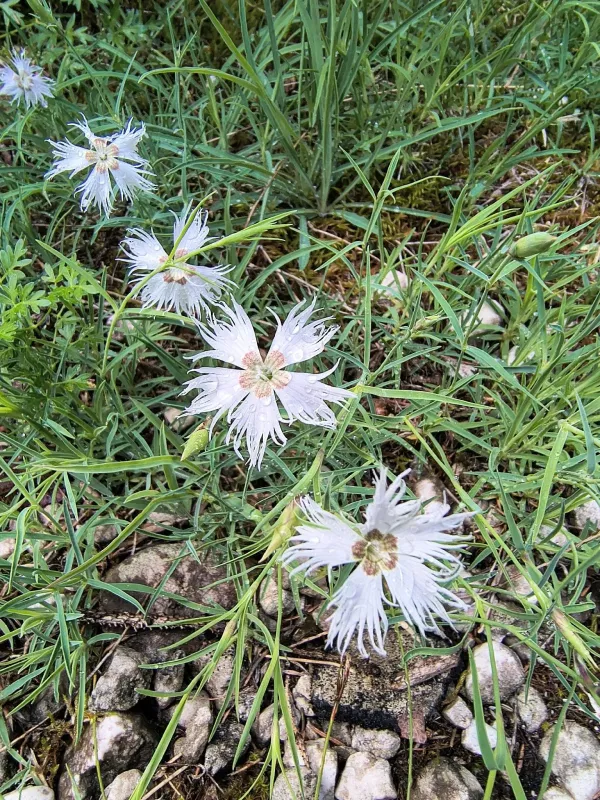
Botanically, the plant is characterized by its low-growing habit, narrow glaucous leaves, and solitary, fragrant flowers with serrated petals. It typically forms dense mats, which allows it to thrive in nutrient-poor but well-drained alpine environments.
The culture requires sunny exposures and alkaline or neutral soils with excellent drainage. Excessive moisture in the root zone is the primary factor limiting its survival, often leading to rot in the crown of the plant.
Climatic requirements involve a preference for cool, ventilated environments. It is highly cold-hardy, making it suitable for temperate regions provided that the winter dormancy period is not interrupted by extreme moisture.
In terms of practical use, Sternberg's pink is highly valued for rock gardens, stone walls, and alpine landscaping where its ability to cover stony ground provides significant aesthetic value during the flowering season.
Main diseases and pests
The primary threats to Dianthus sternbergii are fungal pathogens, specifically those causing root and crown rot due to poor drainage or high humidity. Fusarium wilt is a significant concern during warm, damp spells.
Insect pests include spider mites and thrips, which are particularly prevalent in hot, dry weather. These pests can cause chlorosis and stunt the growth of the plant if left unmanaged for extended periods.
Agricultural management should focus on maintaining a dry soil surface through the use of gravel mulch. This practice effectively prevents direct contact between the foliage and soil, reducing the incidence of fungal outbreaks.
Integrated pest management (IPM) is recommended, involving the use of horticultural oils for mites and targeted applications of systemic fungicides if fungal pressure exceeds acceptable thresholds.
Proper hygiene, such as removing senescent stems and weeds from the surrounding area, is essential to ensure adequate airflow and prevent the buildup of inoculum for various rust and leaf spot diseases.