
Stellaria pungens
Stellaria pungens
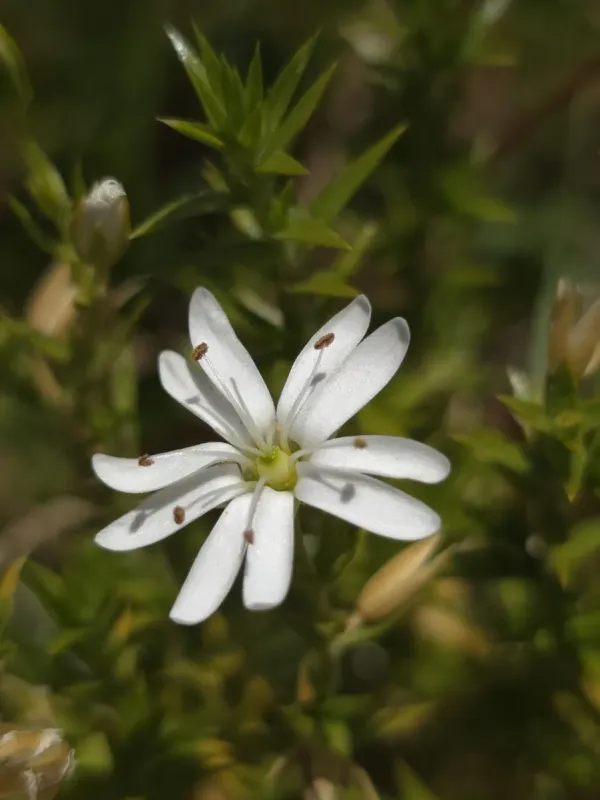
Description
Growing requirements
Stellaria pungens is a member of the Caryophyllaceae family. Native to the mountainous regions of Australia, this perennial herb is highly adapted to challenging alpine environments and poor nutrient conditions.
The plant is characterized by its stiff, prickly foliage and compact, cushion-like growth form. These botanical traits serve as a protective mechanism against extreme thermal fluctuations and high winds characteristic of its native habitat.
Successful cultivation requires well-drained, sandy or rocky soil. The species is highly susceptible to root decay if the substrate remains saturated, making precise irrigation management the most critical aspect of its agrotechnology.
Climate requirements involve exposure to high levels of sunlight. Unlike many shade-tolerant species, this plant requires direct light to maintain its structural integrity and prevent the etiolation of stems, which weakens the overall plant structure.
Agricultural maintenance is minimal, focusing on providing an environment that mimics its natural slope habitat. Fertilizer applications should be very limited, as high nitrogen levels cause excessive, weak growth that makes the plant prone to lodging and disease.
Main diseases and pests
The primary threats include fungal pathogens such as Pythium and Phytophthora, which thrive in waterlogged soil. Root health is the foundation of plant vigor, and drainage management remains the primary defense against these diseases.
Pests such as aphids and spider mites frequently target the succulent parts of the plant during periods of climatic stress. Monitoring programs are essential to detect infestations before they reach economic injury levels.
Foliar diseases, including powdery mildew, can manifest in stagnant air conditions. Improving air circulation around the plants through proper spacing or mechanical ventilation is a standard preventive measure in greenhouse settings.
In cases of significant pest pressure, the use of targeted biological or chemical agents is necessary. Integrated Pest Management (IPM) practices, including the use of beneficial insects, can effectively control aphid populations.
Nutrient deficiencies or toxicities are rare unless the soil pH is shifted significantly away from the species' preferred range. Maintaining a stable, slightly acidic to neutral pH is vital for optimal nutrient uptake and general stress resistance.