
Stellaria vestita
Stellaria vestita
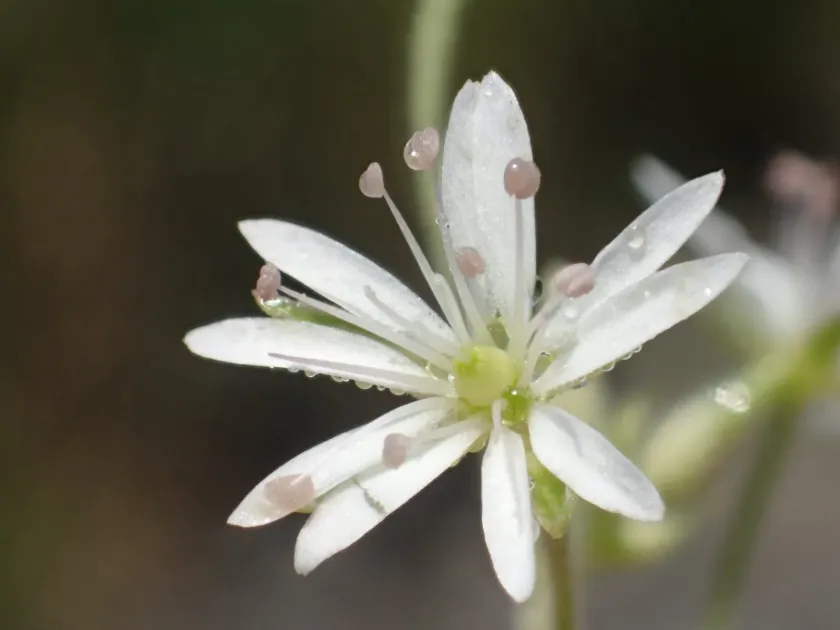
Description
Growing requirements
Stellaria vestita is a herbaceous plant belonging to the Caryophyllaceae family. This species is recognized for its adaptive capacity to highland ecosystems, where it functions as a resilient vegetative crop characterized by dense growth and high nutritional value in its biomass.
The natural habitat of this crop spans the high-altitude regions of Asia. For agricultural production, the plant thrives best in well-drained, nutrient-rich loamy soils with a neutral or slightly acidic pH level, which mimics the natural forest edge environments where it is natively found.
Environmental requirements include a temperate climate with optimal temperatures between 15°C and 22°C. The crop is highly sensitive to extreme heat and prolonged direct sunlight, making partially shaded areas or controlled environment cultivation essential for achieving high yields.
Agrotechnical management involves meticulous soil moisture control. While the crop requires consistent hydration to thrive, it is strictly intolerant to waterlogging, which rapidly leads to root system degradation. Drip irrigation systems are highly recommended to optimize water distribution.
Economic utility is centered on its use as a high-quality green fodder supplement for livestock and its integration into traditional herbal formulations. Its chemical composition makes it a valuable asset in regions where specialized crop diversification is required.
Main diseases and pests
The primary pathological threats to Stellaria vestita include powdery mildew and fungal leaf spots, which proliferate under conditions of high humidity and poor air circulation. Sanitation practices, such as removing affected plant parts, are vital to maintain crop health.
Root rot is a significant danger caused by poor drainage or overwatering. Proactive soil management, including the use of sterilized substrates for seedlings and appropriate soil amendments, can drastically reduce the incidence of these fungal infections.
Pest pressures are primarily led by aphids, which colonize tender young shoots and significantly inhibit plant development. Biological control agents, such as predatory insects, are often preferred to maintain the integrity of the crop for fodder or medicinal use.
Slugs and snails can cause substantial damage during cool, damp weather conditions, often destroying large portions of young stands. Implementing physical barriers and monitoring populations during the early vegetative stage is crucial for ensuring successful stand establishment.
An integrated pest management (IPM) approach remains the best strategy for protecting the crop. This involves regular scouting of fields, monitoring weather patterns to predict outbreaks, and utilizing eco-friendly pesticides only when necessary to preserve the quality of the harvested biomass.