
Hybrid violet
Viola x hybrida Schur
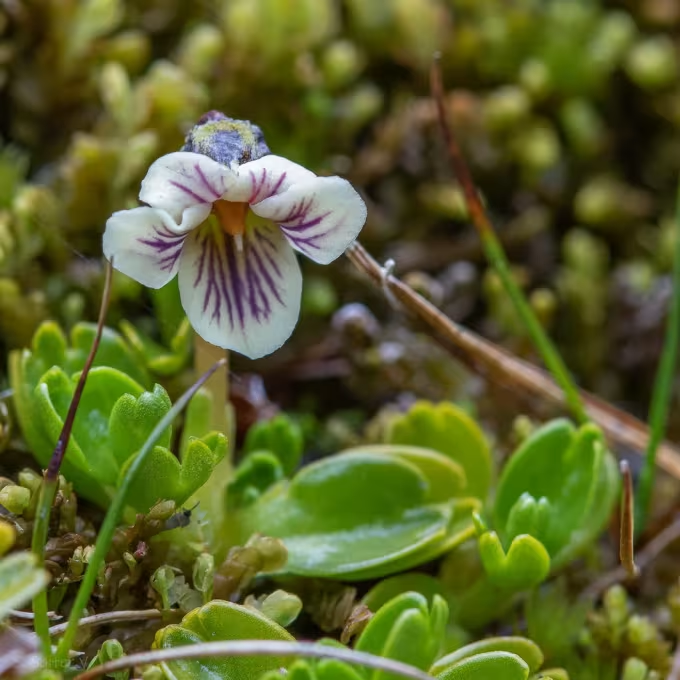
Description
Sowing dates
The hybrid violet, belonging to the Violaceae family, is a highly popular ornamental crop. Seed sowing for indoor seedlings typically begins in late January or February to ensure early flowering in the spring season.
When grown as a biennial crop, seeds are sown directly into open ground or nursery beds during the summer months, specifically June or July. This allows the plants to establish a sturdy leaf rosette before the arrival of winter.
The depth of sowing should not exceed 0.5 centimeters. Since the seeds are quite small, they should be covered with a light layer of soil or vermiculite to maintain essential moisture levels for germination.
Seedlings are sensitive to direct sunlight, so seed trays should be shaded until mass germination occurs. The ideal temperature for germination is between +18 and +20 degrees Celsius.
Once true leaves appear, seedlings should be pricked out into individual pots or cell trays. Hardening off the plants for 10–14 days before transplanting into the permanent growing site is crucial for stress resistance.
Growing requirements
Hybrid violets thrive in well-lit areas but can tolerate partial shade, which is particularly beneficial during hot summer months to prevent plant stress and maintain vibrant flower colors.
The crop requires fertile, well-drained, and consistently moist soil with a neutral to slightly acidic pH. Waterlogging is detrimental, so adequate drainage is essential, especially in clay-heavy soil types.
The optimal temperature range for active growth is +15 to +22 degrees Celsius. During extreme heat exceeding +30 degrees, development slows down, and flowers tend to shrink, making mulching a recommended practice.
Regular irrigation is vital for lush flowering. The soil should be kept moderately moist at all times; however, avoiding over-saturation is necessary to prevent root rot and other fungal diseases.
Fertilization with balanced mineral fertilizers should be performed bi-weekly during the peak growing season. It is important to avoid excess nitrogen, which may promote excessive leaf growth at the expense of flower production.
Main diseases and pests
Powdery mildew is a primary fungal threat to hybrid violets, often appearing on leaves and stems during periods of high humidity and fluctuating temperatures, which requires prompt fungicidal treatment.
Root and crown rots, caused by pathogens like Pythium, are frequent issues resulting from improper watering regimes or poor soil aeration, which can quickly lead to plant collapse and death.
Pests such as aphids and spider mites are major concerns, as they feed on young shoots and buds. Integrated pest management, including regular inspections and the use of insecticides, is necessary for control.
Slugs and snails frequently damage tender leaves, especially in humid garden environments. Keeping the planting area free from weeds and debris significantly reduces the population of these garden pests.
Leaf spot diseases are also common in dense plantings. To prevent outbreaks, it is essential to ensure proper spacing between plants to facilitate adequate airflow and to remove any affected plant tissue immediately.