
Horned violet
Viola cornuta L.
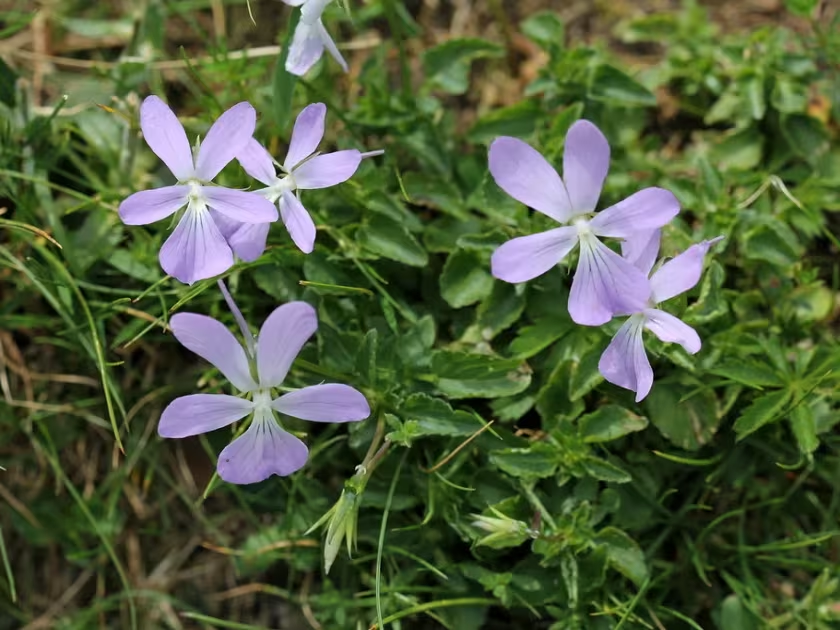
Description
Sowing dates
Sowing seeds of Viola cornuta for transplants is typically done in late February or March. This method ensures that plants are well-developed before the onset of the outdoor season.
For biennial cultivation, seeds are sown directly into the soil during June or July. This allows the plants to establish a strong root system before the cold weather sets in.
The seeds should be covered with a light layer of substrate, approximately 0.5 centimeters deep. It is crucial to maintain high humidity and consistent moisture during the germination phase.
Once seedlings emerge, they should be kept in a well-lit area at a moderate temperature to prevent legginess. Thinning or pricking out seedlings is performed once the first set of true leaves develops.
Hardening off the seedlings is an essential step before transplanting them to their permanent garden beds. Gradual exposure to outdoor temperatures helps improve their overall stress resistance.
Growing requirements
Viola cornuta belongs to the Violaceae family and is a resilient perennial known for its characteristic spurred flowers. It originates from the mountainous regions of the Pyrenees.
The plant thrives in fertile, well-draining soil with a slightly acidic to neutral pH. Proper soil preparation with organic matter significantly improves growth and flowering performance.
While Horned violets prefer full sun, they perform remarkably well in partial shade, especially in hotter climates. Adequate air circulation is vital to prevent moisture-related issues.
Regular deadheading of spent flowers is a key maintenance task that encourages the production of new blooms. Consistent irrigation, especially during dry spells, is necessary for maintaining plant vigor.
Feeding the plants with a balanced, water-soluble fertilizer every few weeks during the peak growing season supports continuous flower development. Dividing the plants every three years maintains vitality.
Main diseases and pests
Powdery mildew is a common fungal threat to Viola cornuta, manifesting as a white powdery coating on leaves. Improving ventilation and using sulfur-based fungicides are effective control methods.
Root rot can occur in heavy, waterlogged soils, leading to the collapse of the plant. Ensuring excellent drainage and avoiding overwatering are the best preventative measures against this pathogen.
Aphids often target the succulent new growth and flower buds of the violet. Targeted insecticidal soap sprays are generally safe and effective for eliminating small to moderate infestations.
Spider mites can become a nuisance during hot and dry weather conditions. Monitoring the underside of leaves for webbing and spraying the plants with water can keep these populations in check.
Slugs and snails can cause significant damage to young plants by chewing through foliage. Using physical barriers like copper tape or crushed eggshells helps protect the delicate seedlings.