
Viola x wittrockiana
Viola x wittrockiana Gams
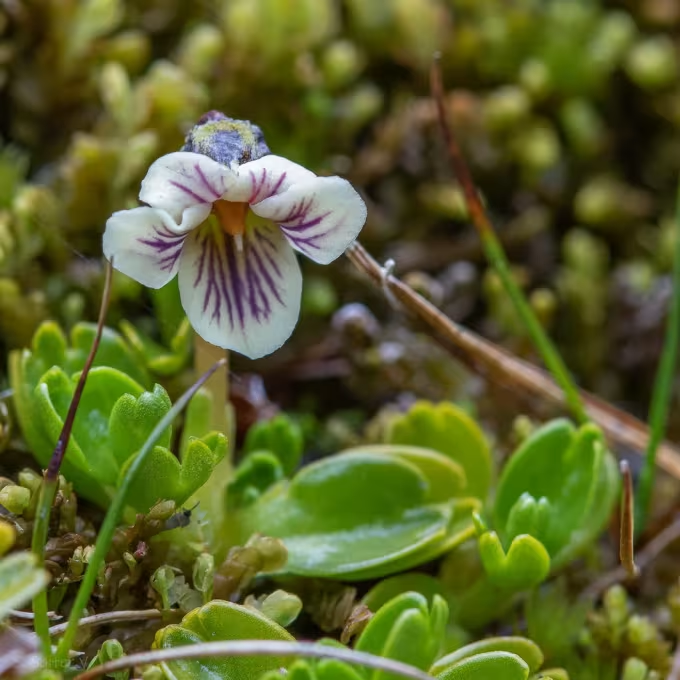
Description
Sowing dates
Viola x wittrockiana, commonly known as the pansy, is a hybrid species within the Violaceae family. Depending on the desired bloom time, seeds can be sown indoors in late winter for spring display or directly outdoors in mid-summer for late autumn or the following spring flowering.
When starting indoors, maintain a temperature of 15–20 degrees Celsius. The seeds are small and should be pressed lightly into the soil surface; covering them too deeply can inhibit germination, as many varieties benefit from light exposure during the initial growth stage.
When transplanting to the field, spacing is critical to ensure proper airflow. A distance of 15 to 25 centimeters between plants is recommended to reduce the humidity around the foliage and prevent the onset of fungal diseases.
Seedlings grown in protected environments require a hardening-off period of about 10–14 days. Gradually introducing them to outdoor temperatures and light conditions builds plant resilience and ensures successful establishment.
Regular deadheading of spent flowers is essential for maintaining aesthetic appeal and encouraging the plant to allocate its energy toward producing new buds rather than setting seeds.
Growing requirements
These plants thrive in fertile, well-draining soil with a pH ranging from slightly acidic to neutral. They are sensitive to waterlogged conditions, which can lead to root failure, so selecting a site with proper drainage is vital.
While pansies prefer full sun, they benefit from light afternoon shade during the intense summer heat. This shade helps prevent the plants from becoming leggy and preserves the vibrancy of their unique petal patterns.
The optimal temperature range for active growth is between 15 and 20 degrees Celsius. Pansies are noted for their hardiness and can often survive cool temperatures, making them ideal for both early spring and late autumn seasons.
Consistent soil moisture is necessary for high-quality blooms. Watering should be targeted at the base of the plant to prevent wetting the foliage and flowers, which significantly lowers the risk of disease spread.
To support vigorous flowering, regular applications of a balanced liquid fertilizer are recommended during the growing season. High-phosphorus formulas are particularly effective at promoting strong root development and abundant blossoms.
Main diseases and pests
Fungal diseases, including root rot and damping-off, are common issues, especially in poorly drained or overly humid environments. Ensuring proper soil structure and avoiding overhead irrigation are the best preventative measures.
Powdery mildew is a frequent concern during warm, humid conditions. It appears as a white, dusty layer on the leaves and can be managed through the application of approved fungicides and improved ventilation between plants.
Aphids and spider mites are the primary insect pests affecting the crop. These pests feed on plant sap and can cause leaf yellowing and distorted growth; periodic inspections and early intervention with insecticides are necessary for control.
Slugs and snails can cause significant damage to young plants and petals during wet weather. Utilizing baits or physical barriers around the perimeter of the flower beds can effectively protect the plants from these mollusks.
To break the disease cycle, it is best practice to rotate the planting site every few seasons. Avoiding consecutive planting of pansies in the same soil helps prevent the buildup of soil-borne pathogens and pests.