
Field pansy
Viola tricolor L.
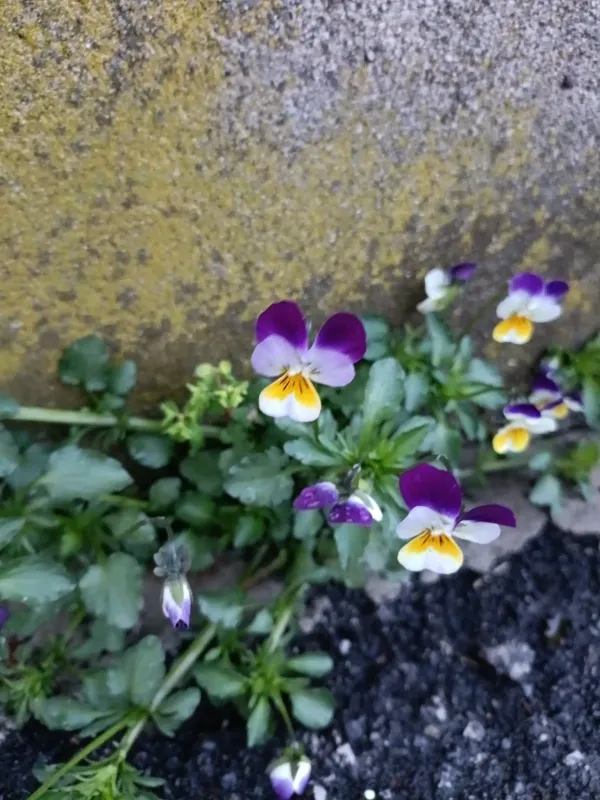
Description
Sowing dates
The field pansy (Viola tricolor L.) is an annual or biennial herbaceous plant belonging to the Violaceae family. It is widely recognized in agriculture as a persistent weed that affects various crop systems, particularly winter cereals.
Seeds of the field pansy exhibit high dormancy and longevity, remaining viable in the soil for several years. Germination typically begins in late summer or autumn, leading to an over-wintering rosette stage that resumes rapid growth in early spring.
The plant demonstrates significant competitive ability during the early spring period, utilizing early moisture and nutrients that are critical for the development of winter crops.
The shallow placement of seeds in the soil profile facilitates early emergence. Proper soil management, including shallow cultivation techniques, is essential to manage weed pressure before the main crop is established.
A single plant can produce a substantial amount of seeds, necessitating effective control measures to prevent the accumulation of a persistent seed bank within the field soil.
Growing requirements
Field pansy thrives in various soil types but prefers moist, fertile, and slightly acidic conditions. It is highly adaptable and can colonize areas with poor structure if sufficient moisture is available.
As a light-demanding species, it prefers open environments; however, it shows high tolerance to shading, allowing it to survive within the canopy of dense crop stands until harvest.
Temperature plays a crucial role in its lifecycle. It prefers cooler conditions for germination and early vegetative development, often completing its reproductive cycle before the peak heat of mid-summer.
Effective management requires a combination of mechanical weeding, such as harrowing, and the application of selective herbicides during the early rosette stage to maximize control efficacy.
Integrating diverse crop rotations that include competitive crops helps to suppress field pansy populations, as the weed struggles to establish under dense and uniform crop canopies.
Main diseases and pests
Field pansy is susceptible to several fungal diseases, including powdery mildew and leaf spot pathogens, which thrive under conditions of high humidity and poor air circulation.
Root rot infections can impact plant vigor, particularly in fields with heavy, poorly drained soils, potentially reducing the overall weed population in specific localized patches.
Insect pests such as caterpillars of various moths and butterflies can cause significant defoliation, reducing the plant's capacity for photosynthesis and subsequent seed production.
Aphid infestations are common, often resulting in the transmission of plant viruses that can weaken the weed but also serve as a potential reservoir of infection for surrounding crops.
Integrated pest management strategies focusing on monitoring field edges and non-crop areas are essential to prevent the spread of these pests and diseases into main production fields.