
Dooryard violet
Viola sororia Willd.
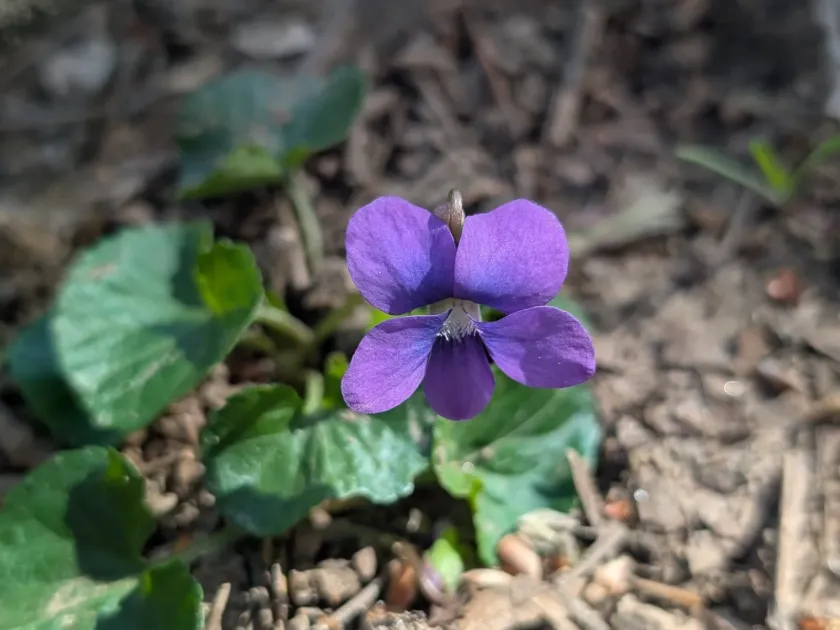
Description
Sowing dates
Seeds of Viola sororia are typically sown in autumn for cold stratification, or in early spring after keeping them in the refrigerator for two months.
For indoor propagation, sowing in seed trays during February or March ensures that seedlings are ready for transplanting by the time danger of frost passes.
The germination process requires steady moisture and temperatures around 15 to 18 degrees Celsius, keeping the containers in a shaded but bright location.
Surface sowing is recommended as the seeds need light for optimal germination; they should be gently pressed into the soil rather than buried deeply.
Division of established clumps is a very effective and faster method of propagation, best performed during the dormant season or early spring.
Growing requirements
The dooryard violet thrives in partial shade or dappled sunlight, making it an excellent choice for woodland gardens or shaded border areas.
Consistent soil moisture is crucial, and the plant performs best in rich, loamy, and slightly acidic soils that remain cool throughout the growing season.
It is a highly hardy species capable of surviving freezing temperatures, requiring little to no winter protection in temperate climate zones.
Regular maintenance involves keeping the soil moist and applying a balanced, diluted liquid fertilizer to support vigorous foliage and flower production.
Mulching the surrounding soil helps maintain the necessary humidity levels, which protects the root system from overheating during peak summer months.
Main diseases and pests
Powdery mildew is a frequent issue, especially when the plants are grown in overcrowded conditions with poor air circulation during humid weather.
Gray mold can occur if the soil remains waterlogged, which emphasizes the need for well-drained planting sites to prevent fungal root issues.
Slugs and snails are the most prominent pests, often causing significant damage to the lush green leaves and new emerging flowers during the night.
Aphids might cluster on the flower stalks, causing stunted growth and misshapen blooms if left uncontrolled by natural predators or sprays.
Preventative measures, such as maintaining proper spacing and promptly removing damaged plant debris, are essential for keeping the violet patch healthy.