
Ivy-leaved violet
Viola hederacea Labill.
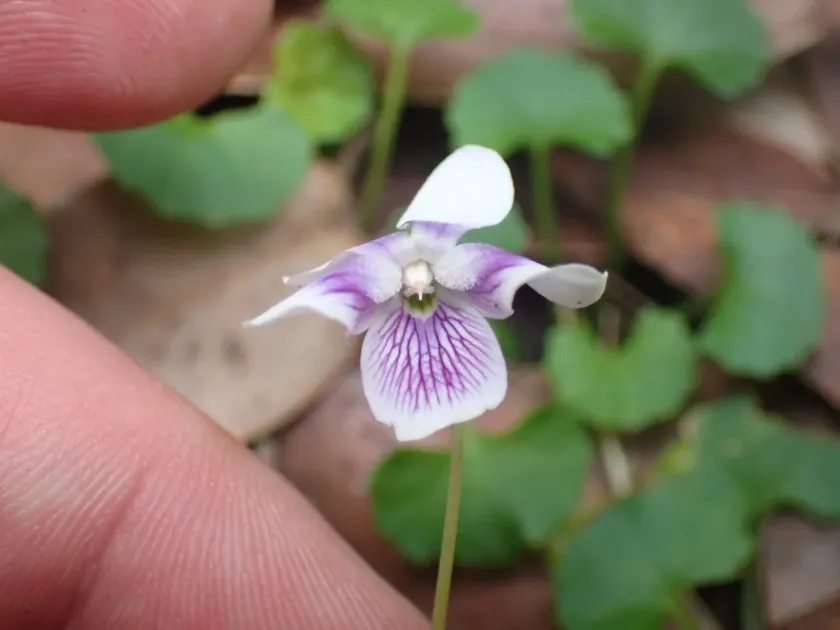
Description
Sowing dates
Viola hederacea is typically propagated by seeds sown in containers during late winter or early spring. The seeds require light for germination, so they should be pressed into the surface of the soil rather than buried deeply.
For outdoor sowing, it is best to wait until the danger of frost has passed. Planting in a sheltered spot with loose, organic-rich soil ensures that the seedlings establish themselves quickly during the spring season.
Vegetative propagation is achieved by dividing the root mats of established clumps. This is most successful when performed in the cool months of early autumn, allowing the plants to settle before the next summer.
Consistent moisture is the primary requirement for successful seedling development. Using a fine mist for irrigation helps maintain surface humidity without displacing the tiny seeds from the planting medium.
Spacing for mature plants should be roughly 20 to 30 centimeters apart. This spacing allows the stems to spread and eventually knit together into a dense, attractive carpet over the available soil surface.
Growing requirements
The ivy-leaved violet belongs to the Violaceae family and originates from Australia, where it thrives in moist, shaded environments. Its characteristic creeping habit makes it a popular choice for ground cover in temperate regions.
The plant prefers partial to full shade, especially in hotter climates where intense direct sunlight can cause foliage scorch. It performs best when protected from the hottest hours of the afternoon sun.
Soil requirements include a preference for humus-rich, moist, and well-draining substrates. It does not tolerate waterlogged conditions, but it also suffers quickly if the soil is allowed to dry out completely.
Regarding climate, Viola hederacea thrives in mild temperatures, typically between 15 and 22 degrees Celsius. It is not considered frost-hardy and will require significant protection or indoor relocation in colder climates.
Maintenance involves regular watering and occasional light fertilization during the growing season. Keeping the soil consistently damp is the most critical factor in maintaining plant vigor throughout the summer months.
Main diseases and pests
Slugs and snails are the most significant pests for this species. They are particularly attracted to the tender foliage and can cause severe damage to the mat-like growth, especially during wet weather conditions.
Root rot is the most common disease associated with improper soil management. Overwatering and heavy, dense soil types create conditions where pathogens thrive, leading to the decay of the plant's root system.
Powdery mildew may occur if the plants are placed in areas with poor airflow and high humidity. This fungal infection results in a white, dusty appearance on the leaves and can reduce the overall health of the colony.
Aphids can sometimes infest the tender new shoots, causing leaf yellowing and stunted development. These pests are best managed by periodic washing of the foliage or the application of organic insecticidal soaps.
Spider mites represent a potential threat during periods of prolonged drought and dry air. Maintaining good humidity around the plants is an effective way to minimize the risk of mite colonization and damage.