
Field pansy
Viola tricolor L. subsp. tricolor
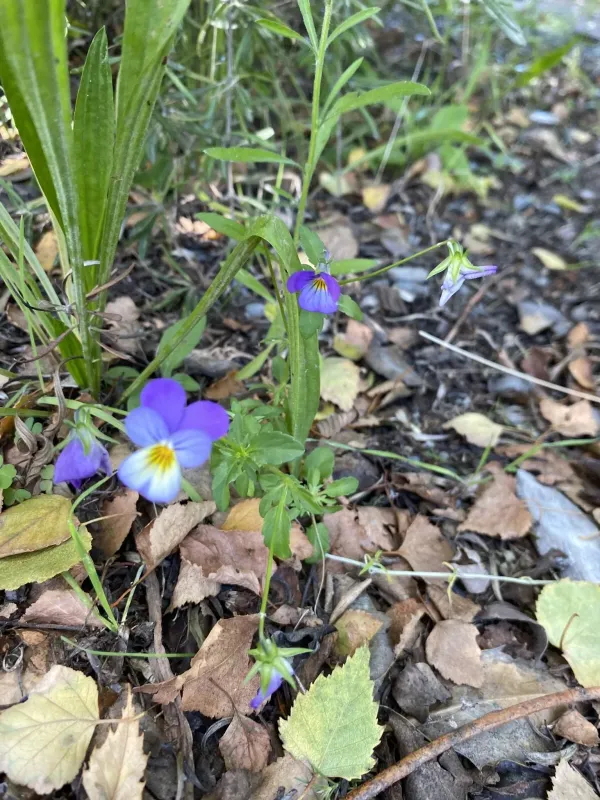
Description
Sowing dates
The field pansy is a resilient annual or biennial plant from the Violaceae family that thrives in diverse agricultural environments.
Seed germination typically occurs in early spring or autumn, with the optimal temperature range starting as low as 3-5 degrees Celsius.
Because the seeds can remain dormant and viable in the soil for several years, field pansies are often considered persistent weeds in crop rotations.
When cultivating for medicinal purposes, seeds should be sown in shallow, well-worked soil to ensure adequate moisture and light for sprouting.
The life cycle of the field pansy is highly adaptable, allowing it to germinate and establish itself even in competitive crop conditions.
Growing requirements
This species prefers moderately moist, fertile soils with a neutral or slightly acidic pH level for optimal growth and development.
High exposure to sunlight is beneficial, although the plant displays significant plasticity in its ability to withstand partial shading.
The presence of nitrogenous nutrients in the soil promotes vigorous vegetative growth, which is why it often appears in well-fertilized fields.
Consistent moisture is required for healthy development, as severe drought conditions can stunt growth and reduce the flowering period.
Soil aeration is critical; compact or waterlogged soils are generally unsuitable and lead to root development issues in this species.
Main diseases and pests
Powdery mildew represents a significant threat to field pansy populations, especially in dense stands with poor airflow and high humidity.
Pests such as spider mites and aphids are frequently observed, particularly in stressful environmental conditions or after excessive nitrogen fertilization.
Effective management in farming involves strategic crop rotation, deep tillage, and the application of selective herbicides when necessary.
Fungal root pathogens can negatively impact the plant during the early growth stages if the soil temperature remains consistently low and damp.
Preventing seed dispersal is the most critical factor in managing the population of field pansy on agricultural lands.
Harvesting
The aerial parts of the field pansy are harvested during the peak flowering season, typically between late spring and mid-summer.
Careful cutting ensures that the root system is left undisturbed, promoting long-term sustainability if the population is being managed.
Proper drying is essential for preserving the plant's medicinal qualities, requiring a shaded, well-ventilated space to avoid rapid decay.
Temperature control during artificial drying is vital, with levels kept below 40 degrees Celsius to prevent the loss of active volatile compounds.
The finished, dried material must be stored in airtight, moisture-resistant containers in a cool, dark place to maintain its potency over time.