
Sweet violet
Viola odorata L.
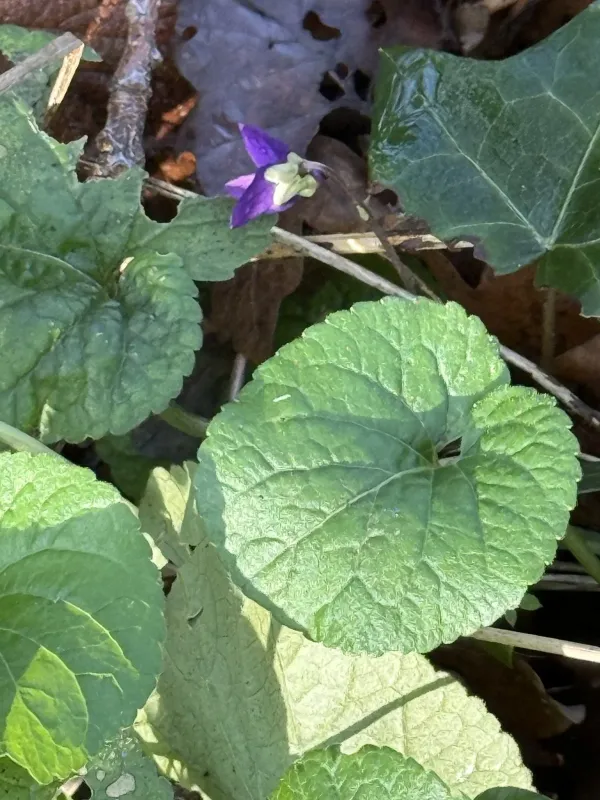
Description
Sowing dates
Sweet violet (Viola odorata L.) is primarily propagated vegetatively by dividing established clumps or using runners, which ensures the preservation of maternal traits.
Seed propagation is also viable but necessitates a period of cold stratification, making late autumn the best time to sow seeds directly into the soil.
Division of mature plants should be carried out in early spring or post-flowering in late summer, allowing the plants to re-establish before the next season.
Optimal spacing during planting is essential, with an interval of approximately 25 centimeters to facilitate healthy growth and prevent crowding-related stress.
When sowing seeds, they should be lightly covered with fine soil, as they require sufficient exposure to light to trigger the germination process.
Growing requirements
Viola odorata belongs to the Violaceae family and is recognized as a hardy perennial herb with characteristic heart-shaped leaves and fragrant blooms.
The crop thrives in fertile, well-draining soils rich in organic matter, preferring a slightly acidic to neutral soil pH for maximum productivity.
It performs best in semi-shaded environments, such as under deciduous trees, where it is shielded from the harsh intensity of direct afternoon sunlight.
Consistent moisture is crucial for sweet violet; however, the soil must not become waterlogged to prevent the risk of root-related fungal complications.
Though the plant is naturally resistant to low temperatures, mulching during winter provides an essential buffer against extreme frost-thaw cycles.
Yield
The primary agricultural output involves harvesting flowers for essential oil extraction, highly prized in high-end perfumery for their delicate fragrance.
Medicinal preparations utilize both the flowers and leaves, which are rich in saponins and flavonoids known for their therapeutic efficacy in respiratory care.
Yield consistency relies on regular fertilization with organic compost during the initial growth phase in the spring to encourage robust blooming.
The plant serves dual purposes as both an industrial ingredient and a decorative ground cover that suppresses weeds in garden settings.
High-quality harvests are achieved through strict adherence to harvesting schedules, ensuring that the botanical material is collected at peak potency.
Main diseases and pests
Gray mold (Botrytis) is a significant threat, particularly in damp climates, necessitating improved airflow and the removal of decaying plant debris.
Root rot, often caused by overwatering or poor soil drainage, can rapidly deteriorate the plant and lead to severe losses in the crop population.
Aphids and spider mites are the most common pests that sap the vitality of the plant, often leading to stunted growth and leaf chlorosis.
Slugs and snails pose a risk during wet seasons, targeting tender foliage and flowers, which requires proactive management to minimize cosmetic damage.
Integrated pest management, including the use of neem oil or biological controls, is recommended over heavy synthetic pesticide use for this crop.
Harvesting
The harvest of flowers is conducted during the early morning hours to capture the volatile compounds before the heat of the day dissipates them.
Leaf harvesting is generally performed throughout the growing season, selecting fully developed leaves that show no signs of pathogenic interference.
Immediate drying in a dark, airy environment is required to ensure the preservation of the plant's essential oils and medicinal properties.
Proper post-harvest handling includes removing any withered blooms or foreign organic material to ensure the purity of the commercial batch.
- Utilizing clean tools for harvesting to minimize mechanical damage to the rhizomes
- Storage in sealed containers away from heat to maintain fragrance integrity