
Viola suavis
Viola suavis M.B.
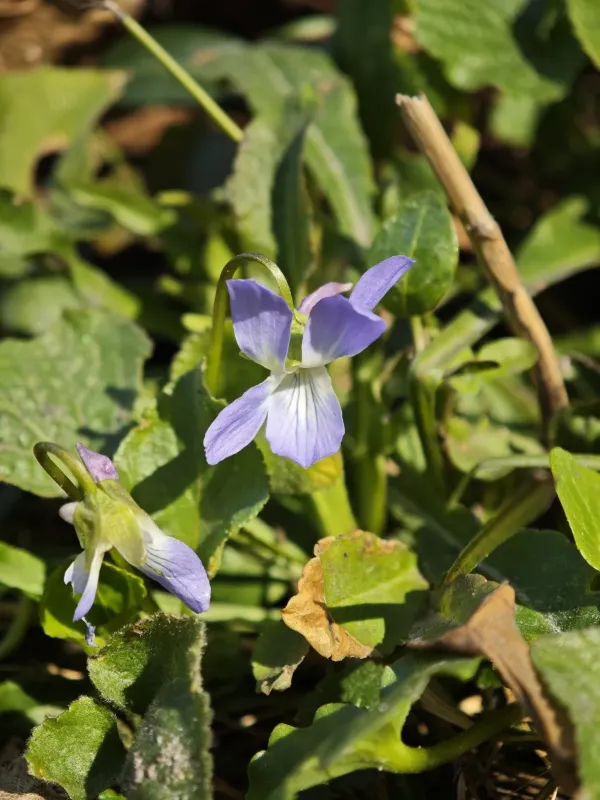
Description
Sowing dates
Sowing of Viola suavis is typically performed in late autumn or early spring, depending on the climatic zone and the need for seed stratification.
The seeds require a cold treatment for optimal germination; therefore, sowing directly into the soil before winter is considered an effective practice in temperate climates.
The seeds are sown at a depth of approximately 0.5–1 cm into finely prepared, weed-free soil to ensure good contact and nutrient availability.
Spacing between plants should be approximately 20 cm, as the plant spreads through short rhizomes and requires adequate space for air circulation.
Uniform soil moisture is crucial during the germination phase to ensure a high percentage of emergence and to prevent the desiccation of the delicate seedlings.
Growing requirements
Viola suavis is a perennial herbaceous plant belonging to the Violaceae family, naturally found in forest edges and semi-shaded habitats.
The plant thrives in fertile, well-drained loamy soils with a neutral to slightly acidic pH level, providing optimal conditions for root development.
It prefers partial shade conditions, as excessive direct sunlight can cause leaf scorching and reduce the quality of the essential oils in the flowers.
Water requirements are moderate, but the plant is sensitive to waterlogging, necessitating good drainage to prevent root rot and other fungal diseases.
Being a winter-hardy species, it withstands cold temperatures well, provided there is adequate snow cover or moisture retention in the soil.
Yield
The economic value of Viola suavis lies in its application in the pharmaceutical, cosmetic, and perfumery industries due to its aromatic flowers.
Yields are maximized by ensuring high soil fertility and maintaining proper plant density, typically peaking in the second and third years of growth.
Regular harvesting of flowers encourages continuous blooming throughout the spring season, significantly increasing the cumulative harvest of raw material.
For commercial production, the plants are often replaced every 4 to 5 years to maintain the vigor and quality of the medicinal and aromatic yield.
Nutrient management through organic matter addition is essential to sustain high yields of both foliage and flowers throughout the productive life of the crop.
Main diseases and pests
Common phytosanitary issues include powdery mildew and gray mold, which are often caused by poor aeration and excessively high humidity in the fields.
Pests such as aphids and spider mites can damage the vegetation, requiring careful monitoring and integrated pest management strategies.
Slugs and snails present a significant threat to young plants, often requiring manual removal or specific physical barriers during the early growth stages.
Proper field hygiene, including the removal of debris and weed control, is essential to minimize the risk of disease spread within the planting areas.
Biological control methods are preferred to maintain the quality of the flowers, especially when the crop is intended for pharmaceutical or cosmetic use.
Harvesting
Harvesting is a labor-intensive process, usually performed by hand, focusing on the careful selection of high-quality blossoms during peak flowering.
Flowers should be collected in the morning after dew has evaporated to ensure the maximum concentration of essential oils and to prevent spoilage.
Drying is performed in the shade in well-ventilated areas to preserve the natural color, fragrance, and chemical composition of the harvested material.
If harvesting for medicinal extracts, the entire plant parts may be collected, following strict harvesting height requirements to allow for regrowth.
Proper storage in dark, dry, and cool conditions is vital to maintain the shelf life and potency of the raw botanical material until it reaches the processor.