
Woods' corn salad
Valerianella woodsiana
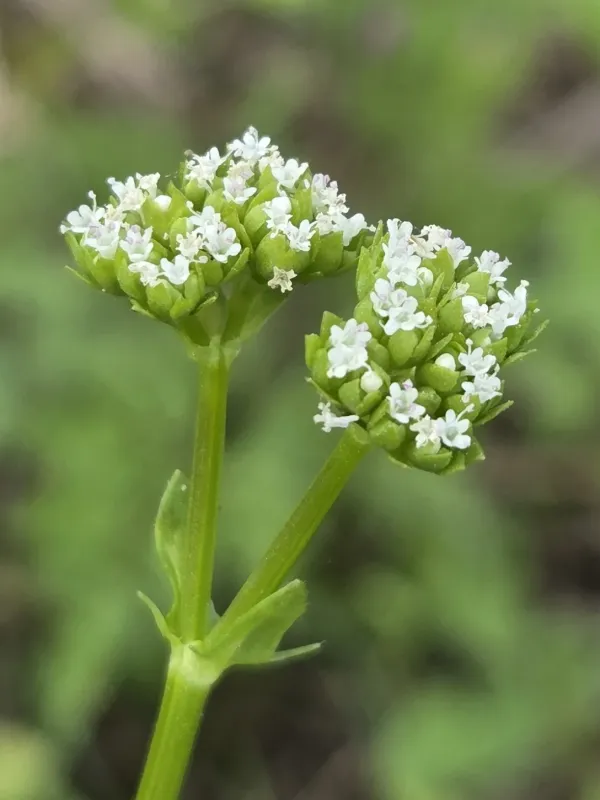
Description
Sowing dates
Woods' corn salad is a cool-season crop, making it ideal for early spring or autumn cultivation when the temperatures are mild. Seeds are typically sown directly into prepared soil once the ground reaches a workable temperature of around 8–10 degrees Celsius.
For early harvest, sowing can be done in late autumn, allowing seeds to germinate as soon as the frost retreats. This practice is particularly beneficial for commercial growers looking to supply the market early in the season.
The seeds are relatively small and should be sown at a shallow depth of about 1 centimeter to ensure consistent germination. Uniform spacing is critical, and growers often use precision drills to manage plant density and minimize the need for manual thinning.
Consistent moisture is vital during the germination phase. Covering the seeded area with a thin layer of compost or a row cover can help maintain the required humidity and protect seeds from birds or wind displacement.
Succession planting every two to three weeks ensures a continuous supply of fresh leaves. This allows farmers to optimize land use and manage harvesting logistics effectively throughout the growing period.
Growing requirements
This crop thrives in well-drained, fertile soil rich in organic matter. A neutral pH range between 6.0 and 7.0 is optimal for nutrient uptake and healthy foliage development, which is essential for marketable quality.
Temperature management is crucial as Woods' corn salad tends to bolt quickly in hot weather. Optimal growth occurs in temperatures between 12 and 20 degrees Celsius, requiring protective measures if extreme heat is expected.
Adequate sunlight is necessary for growth, but in mid-summer, partial shade can prevent the plants from becoming bitter and tough. Integrating the crop into a rotating system with other vegetables helps maintain soil fertility and breaks disease cycles.
Water requirements are moderate, but consistent supply is necessary to avoid physiological stress. Drip irrigation is the preferred method for commercial fields, as it keeps foliage dry and reduces the risk of fungal infections.
Regular weeding is essential during the early stages of growth to prevent nutrient competition. As the plants mature, they form dense rosettes that naturally shade out most small weed seedlings, reducing later labor costs.
Main diseases and pests
Fungal diseases like downy mildew and powdery mildew are common threats, especially during periods of high humidity or poor ventilation. Implementing proper spacing between rows is a primary preventive measure against these issues.
Pests such as aphids and flea beetles can cause significant damage to young leaves. Monitoring programs are essential for early detection, allowing for the targeted use of organic or biological control agents if necessary.
Slugs and snails are particularly problematic in damp, cool conditions. Physical barriers, such as copper tape or organic baits, are often used to protect the crop without resorting to harmful chemical residues.
Root rot is a major risk in waterlogged soil. Ensuring that field beds are raised or properly graded helps improve drainage and prevents the conditions that encourage these pathogens to thrive.
Crop rotation remains the most effective long-term strategy for managing soil-borne pathogens. Avoiding the monoculture of Valerianella species on the same field for several consecutive years significantly reduces disease pressure.
Harvesting
Harvesting is typically performed by cutting the entire rosette at the base when the leaves reach full size but before the flower stalk begins to emerge. Timing is critical to ensure the best flavor and texture.
It is recommended to harvest early in the morning when the plants are fully turgid. This minimizes post-harvest wilting and improves the overall shelf life of the final product significantly.
Post-harvest handling involves cleaning the leaves gently to remove soil and moisture. Quick cooling to 2–4 degrees Celsius is essential to preserve the delicate leaves and maintain their quality during transport.
Packing in breathable containers or perforated plastic films helps maintain a moist environment while preventing decay. This is especially important for long-distance logistics where freshness retention is a priority.
After the final harvest, clearing the field of debris is standard practice to prevent the build-up of overwintering pests or pathogens. Proper site hygiene ensures the field is ready for the next rotation cycle.