
Valerianella discoidea
Valerianella discoidea
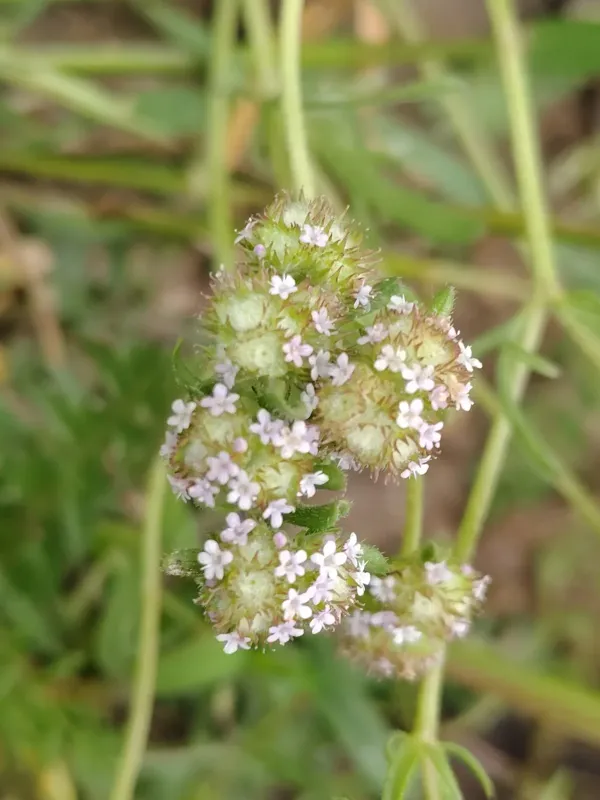
Description
Sowing dates
Valerianella discoidea, a member of the Valerianaceae family, is a cold-hardy annual herb. Seeds are typically sown directly into the soil in early spring once temperatures range between 5 and 8 degrees Celsius.
For early harvest production, growers use greenhouses or low tunnels to protect the young seedlings from extreme weather. Seeds should be planted at a shallow depth of approximately 1-1.5 centimeters.
Consistent row spacing of 15-20 centimeters is recommended to facilitate proper air circulation and ease of maintenance. Succession planting from early spring to late summer ensures a continuous supply of fresh leaves.
Seed germination usually occurs within 10 to 14 days, provided the soil remains consistently moist. Ensuring uniform sowing density is essential to prevent overcrowding and to promote the development of robust leafy rosettes.
In warm climates, mulching can help keep the root zone cool, which is critical for preventing the plant from prematurely bolting. This strategy is vital for maintaining high productivity during fluctuating spring temperatures.
Growing requirements
This crop thrives in light, well-drained loamy or sandy soils with a neutral pH. Proper soil preparation is essential, as the crop is sensitive to soil compaction which can stunt growth and ruin the quality of the rosette.
Valerianella discoidea requires moderate light but prefers cool, moist conditions for optimal leaf development. Intense heat should be avoided as it triggers bolting and creates a bitter flavor in the leaves.
Consistent irrigation is vital, as the root system is shallow and prone to damage if the soil dries out completely. However, care must be taken to avoid waterlogging, which promotes root rot and foliage disease.
The ideal temperature range for growth is 12-18 degrees Celsius. During the peak of summer, growth may be stunted, and growers often use shade cloths or switch to more heat-tolerant varieties if necessary.
While the plant does not require heavy fertilization, incorporating organic matter before sowing provides the necessary nutrients for sustained growth. Excessive nitrogen should be avoided to prevent nitrate accumulation.
Main diseases and pests
The primary threats to this crop include fungal diseases such as powdery mildew and root rot, especially in high-humidity environments. Proper ventilation in greenhouse settings is the most effective preventative measure.
Pests like aphids and slugs can damage the foliage significantly if left unchecked. Integrated pest management, focusing on early detection and biological controls, is highly recommended.
Crop rotation is essential for disease management to avoid the buildup of soil-borne pathogens. A minimum three-year rotation cycle is standard practice in sustainable vegetable farming.
Preventing overcrowding during the seedling stage is critical to limiting the spread of pathogens. Removal of infected plant material should be done promptly to protect the remaining crop.
Regular monitoring of the leaf underside is necessary to spot early signs of aphid infestations. Using insect screens on greenhouse vents can significantly reduce the pressure from flying pests.
Harvesting
Harvesting usually takes place 40 to 60 days after sowing, depending on environmental conditions. The goal is to collect the rosettes when they reach a dense, marketable size but before any flowering stalks emerge.
The leaves are cut just above the soil line using sharp tools to maintain the integrity of the plant. Harvesting in the early morning ensures the leaves remain crisp and retain maximum moisture content.
Post-harvest handling is crucial; the produce should be cooled immediately to maintain shelf life. Packing in well-ventilated containers helps prevent moisture buildup and decay during storage.
Large-scale operations often utilize mechanical harvesting equipment designed for delicate salad greens. This allows for high-efficiency gathering of the crop while minimizing handling damage to the leaves.
Grading and sorting are performed post-harvest to ensure quality standards. Removing damaged or yellowed leaves is necessary to present a professional, uniform product to the market.