
Crown corn salad
Valerianella coronata
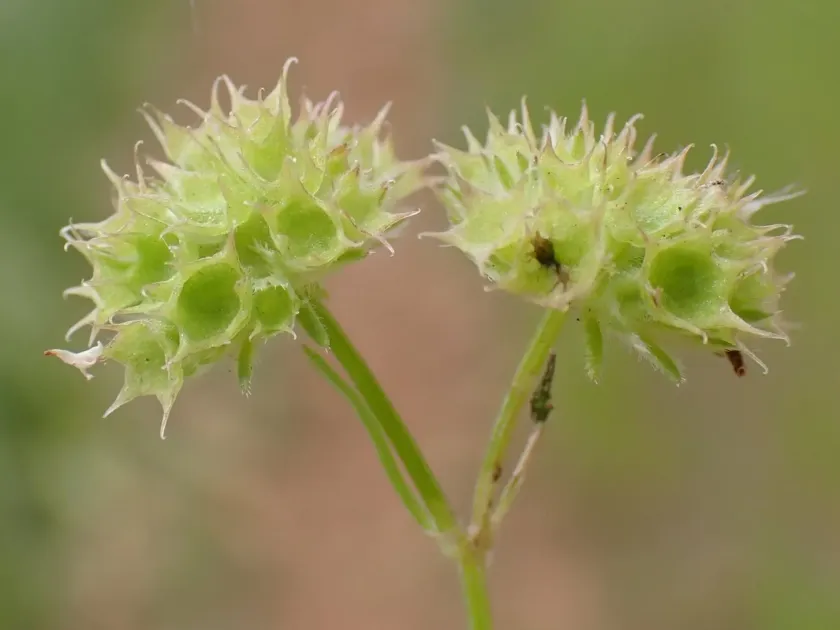
Description
Sowing dates
Valerianella coronata is a cool-season crop, best sown in early spring as soon as the soil is workable, typically when temperatures are between 5 and 10 degrees Celsius.
In regions with milder winters, sowing can be performed in late autumn to ensure an early harvest, allowing the plants to establish before the winter dormancy.
Seeds should be sown in rows spaced 15-20 cm apart, with a shallow burial depth of approximately 1-1.5 cm to ensure optimal germination and emergence.
Staggered sowing intervals of two to three weeks help maintain a consistent supply of fresh leaves throughout the growing season for commercial producers.
The seeds are relatively small, so precise sowing equipment or manual spacing is recommended to avoid the need for intensive thinning later in the season.
Growing requirements
This crop thrives in fertile, well-draining soils with a neutral pH, preferring loamy or sandy-loam textures that maintain adequate moisture without becoming waterlogged.
Consistent soil moisture is critical; irregular watering can cause the plants to bolt prematurely, especially when temperatures begin to rise in late spring.
While the plant benefits from full sun in the early stages, partial shade is highly recommended as the season progresses to prevent heat-induced bolting.
The ideal temperature range for vegetative growth is 15-18 degrees Celsius, which is when the rosette leaves develop their best texture and flavor profiles.
Minimal nitrogen fertilization is required, as excessive nitrogen can lead to succulent, weak leaves that are prone to rot and reduced shelf life after harvest.
Yield
Proper plant spacing and weed management are the primary drivers of yield, directly influencing the final biomass weight of the harvested rosettes.
Average yields in standard field conditions can reach 1.5 to 2 kg per square meter, depending on soil fertility and irrigation precision during the growth cycle.
High-density planting is possible, but it requires careful monitoring to prevent humidity buildup and the subsequent spread of fungal infections between leaves.
Early-season crops often exhibit faster growth rates, resulting in higher quality produce compared to late-season plantings which may suffer from heat stress.
Monitoring the growth stages is essential, as the yield potential drops rapidly once the plant initiates the reproductive stage and begins stalk elongation.
Main diseases and pests
Pests such as aphids and flea beetles can pose a significant threat to the young leaves, causing disfiguration and reducing the overall marketable quality.
Fungal diseases like downy mildew and leaf spot are common in humid conditions or where there is inadequate airflow between the crop rows.
Root rot is a persistent risk in soils with poor drainage, often triggered by periods of heavy rainfall or over-irrigation during the cooler months.
Slugs and snails can cause substantial damage to the low-growing rosettes, necessitating the use of perimeter barriers or organic baiting strategies.
Crop rotation is strongly advised to prevent the buildup of soil-borne pathogens and to maintain the overall biological health of the field plots.
Harvesting
Harvesting should occur exactly when the leaf rosette has fully developed but before the central flower stalk begins to emerge from the base.
The plants are typically cut just below the crown, keeping the rosette intact, which is the most preferred presentation for fresh market distribution.
Harvesting is ideally performed in the early morning to minimize water loss and to ensure that the produce maintains turgidity during transport and sales.
Quick cooling after the harvest is vital to maintain the crispness and nutritional value of the leaves, extending the short shelf life of the crop.
Post-harvest handling involves careful cleaning to remove soil particles without bruising the delicate leaves, followed by cool storage at near-zero temperatures.