
Ribbed corn salad
Valerianella costata
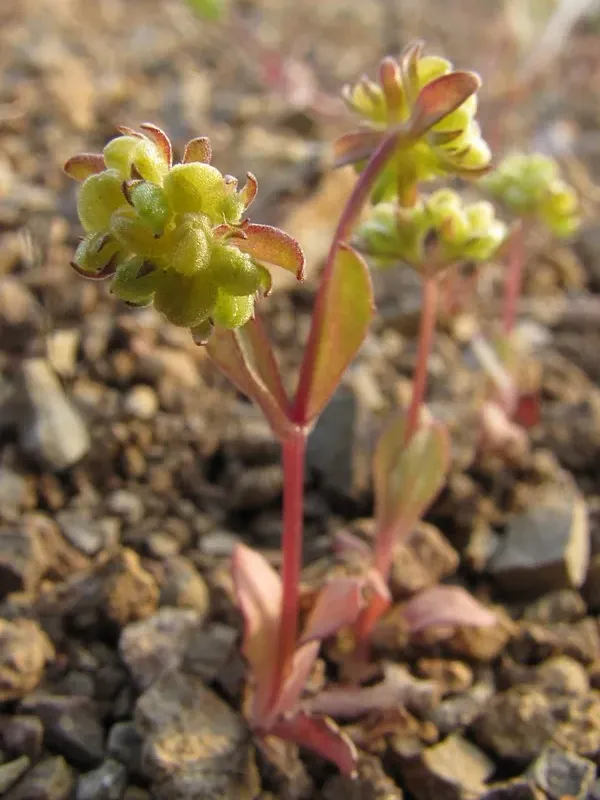
Description
Sowing dates
Ribbed corn salad, known scientifically as Valerianella costata, is an annual herbaceous plant belonging to the Caprifoliaceae family. Originally from the Mediterranean and Western Asia, it is valued as a hardy, cool-season salad green with a delicate flavor profile.
Sowing in open fields should begin in early spring once the soil thaws and reaches temperatures of 5–8 degrees Celsius. The crop is remarkably cold-tolerant, making it an excellent choice for early seasonal production when few other greens are available.
Seeds are sown at a shallow depth of approximately 0.5–1 cm, as they require light and shallow placement to germinate efficiently. A row spacing of 15–20 cm is recommended to ensure adequate air circulation and to facilitate mechanical or hand weeding throughout the season.
Winter sowing is also a viable strategy to achieve an ultra-early harvest in the following spring. Seeds should be sown late in the autumn to ensure they remain dormant during frost periods and sprout rapidly as soon as the snow melts.
To ensure a continuous supply, staggered sowing at two to three-week intervals is recommended during the active growing season. This technique prevents the entire crop from maturing simultaneously and preserves the quality of the harvested leaves.
Growing requirements
This crop thrives in well-drained, fertile, loamy or sandy soils with a neutral pH. It is sensitive to waterlogged conditions, which can lead to root rot and poor development, so site preparation should emphasize good drainage.
The plant is highly sensitive to photoperiod and heat; long days combined with high temperatures trigger bolting, which drastically reduces leaf quality. Ideally, it should be grown when temperatures are between 12 and 18 degrees Celsius.
Maintenance involves frequent, shallow cultivation to prevent soil crusting, which promotes better oxygenation of the root zone. Regular moisture is essential, as drought stress will force the plant to develop flower stems prematurely.
Moderate fertilization is recommended, focusing on nitrogen-based nutrients early in the development phase to encourage lush leaf growth. Avoid excessive nitrogen near harvest time to maintain the crisp texture and shelf life of the greens.
The crop does not tolerate aggressive competition from weeds, especially in the first weeks after germination. Keeping the area weed-free is crucial for achieving uniform development and reaching maximum potential yield.
Yield
Yields of Valerianella costata depend significantly on environmental conditions and the intensity of cultivation. Under favorable circumstances, producers can expect a yield ranging from 1.5 to 2.5 kilograms per square meter.
Consistency in water management and nutrient application directly correlates with the final biomass production. Maintaining optimal planting density allows for the best balance between individual plant size and total harvested volume.
The maturation cycle from sowing to harvest usually takes between 45 and 60 days, depending on local temperatures and light exposure. Monitoring the crop for signs of central stem formation is critical to harvesting at the peak of flavor.
Yield stability is improved when planting in areas sheltered from strong winds, as excessive wind can increase moisture loss and leaf mechanical damage. Proper site selection is therefore a primary factor in overall farm productivity.
Commercial harvesting is often performed using precision cutting tools or manual labor, depending on the scale. Post-harvest sorting ensures that only high-quality, uniform rosettes are packed for the market.
Main diseases and pests
Slugs and snails are the primary pests of corn salad, particularly in damp conditions. Effective management involves using physical barriers, organic slug baits, and maintaining a clean cultivation area free of debris.
Downy mildew is the most common fungal disease, typically appearing during humid weather. Management requires selecting resistant varieties, ensuring adequate ventilation between rows, and adhering to strict crop rotation practices.
Root rot can occur if soil management leads to chronic water stagnation. Implementing proper raised beds or ensuring effective drainage in heavier soils is essential to prevent soil-borne pathogens from decimating the crop.
Aphids may infest the underside of leaves, causing distortion and yellowing. In case of infestation, biological control agents or soft insecticides with short pre-harvest intervals are recommended to maintain the crop's food safety standards.
General hygiene, including the prompt removal of infected plants and sanitation of farming tools, is the best strategy to prevent the rapid spread of pathogens throughout the planting area.
Harvesting
Harvesting is performed by cutting the entire rosette at the base just before the plant begins to bolt. The operation should be handled with care to avoid bruising the tender leaves, which are sensitive to physical damage.
The ideal harvesting time is in the early morning, when leaf turgor is at its peak. This helps ensure that the product retains its crispness and freshness during subsequent transport and storage.
After harvesting, the greens should be washed in cold water to remove soil and impurities, then dried in a cool, shaded area. Proper drying is vital to prevent leaf decay during the packaging and shipping process.
The product should be stored in ventilated containers at temperatures between 0 and 2 degrees Celsius. Under these conditions, the product can typically remain marketable for 5 to 7 days.
Market presentation is key; removing yellow or damaged leaves during the sorting process enhances the aesthetic appeal of the final product, which is highly appreciated by consumers and chefs alike.