
Valerianella carinata
Valerianella carinata
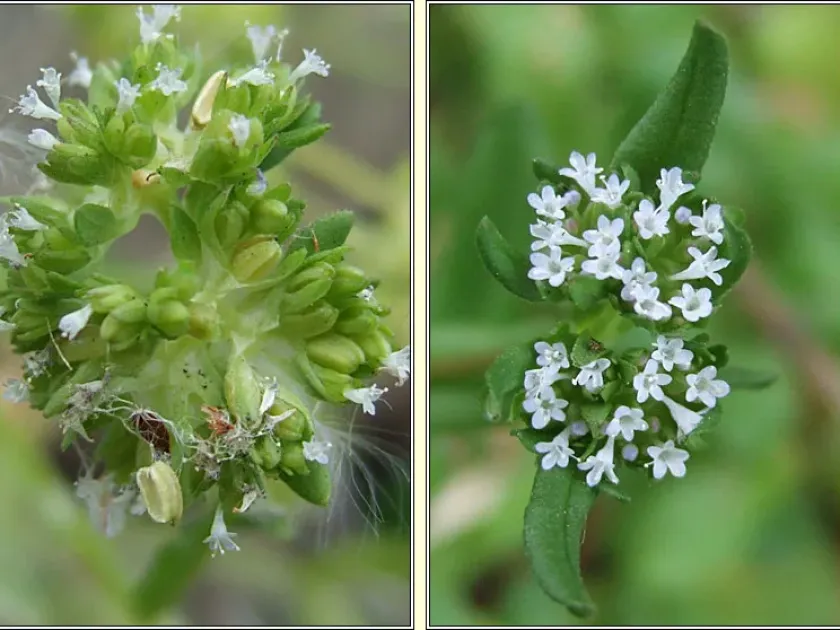
Description
Sowing dates
Valerianella carinata, commonly known as a type of corn salad or lamb's lettuce, is an annual herbaceous crop belonging to the Caprifoliaceae family. It is a cool-season plant best suited for early spring or late autumn production in temperate climates.
Seeds should be sown directly into the prepared garden bed at a depth of 1-1.5 centimeters. For optimal germination, the soil temperature should be between 5 and 15 degrees Celsius. The rows are typically spaced 15-20 centimeters apart to ensure healthy growth.
Staggered planting is highly recommended to ensure a continuous supply of fresh greens throughout the harvest season. By sowing every two to three weeks, growers can manage production volume effectively and avoid seasonal market gluts.
Once seedlings emerge, thinning is crucial to reach a plant spacing of at least 10 centimeters within the row. Proper thinning prevents overcrowding, which is the primary cause of poor development and susceptibility to fungal diseases in this specific crop.
Fall sowings can be overwintered in milder climates or under protective structures such as cold frames or low tunnels. This practice allows for the earliest possible harvest when the plants resume growth during the first warm days of spring.
Growing requirements
This crop performs best in well-drained, fertile, and light sandy-loam soils. While it is adaptable to various soil types, maintaining a neutral pH level between 6.0 and 7.0 is essential for nutrient uptake and steady growth throughout the season.
Consistent soil moisture is vital for Valerianella carinata. The plants are sensitive to drought; if the soil dries out, the leaves quickly become bitter, tough, and lose their delicate nutty flavor, which is a highly valued trait in this salad green.
The ideal temperature range for rapid growth is between 10 and 18 degrees Celsius. While it possesses good frost resistance, prolonged exposure to extreme temperature fluctuations or high summer heat will induce premature bolting and flowering.
Light levels should be moderate. In many growing regions, partial shade during the peak of the day is beneficial during late spring plantings to prevent excessive transpiration and ensure the leaves remain tender and succulent.
Organic soil amendments like well-composted manure should be integrated into the soil during pre-planting preparation. Avoid heavy applications of mineral nitrogen, which can lead to rapid, leggy growth and potentially higher nitrate levels in the leaves.
Main diseases and pests
The most common disease problems include powdery mildew and various forms of downy mildew. These fungal issues are typically triggered by poor air circulation and high humidity around the plant rosettes, especially in tightly packed plantings.
Pests such as flea beetles, aphids, and slugs can cause significant economic damage to the young foliage. Regular field monitoring and the use of physical barriers or biological controls are preferred over synthetic pesticides due to the short harvest window.
Effective prevention strategies include adhering to a strict crop rotation schedule, avoiding monoculture on the same plot, and ensuring all plant debris is cleared immediately after harvesting to disrupt the life cycles of pathogens.
Proper irrigation management is key to disease control. Applying water directly to the soil surface via drip irrigation, rather than overhead watering, significantly reduces the moisture on foliage and inhibits the spread of fungal spores.
If insect pressure is high, focus on integrated pest management (IPM) techniques. Utilizing row covers early in the season can protect young plants from flying insects while simultaneously creating a microclimate that promotes faster development.
Harvesting
Harvesting is performed by cutting the entire leaf rosette at the base with a sharp knife, ideally during the cool morning hours to maximize turgidity. Keeping the rosette intact is important for presenting a premium product to the market.
The crop is ready for harvest when the leaves are fully developed and the rosette is compact. Timing is critical; waiting too long leads to the development of a central flowering stalk, which renders the leaves coarse and unpalatable.
Post-harvest care involves quick cooling to remove field heat. The leaves are delicate and have a short shelf life, so they should be marketed or consumed within 48 hours unless kept in high-humidity cold storage at 0 to 2 degrees Celsius.
Valerianella carinata is highly prized by chefs for its distinct flavor profile, often described as mild and nutty. It is most commonly served fresh in mixed green salads, though it can also be lightly sautéed or used as a gourmet soup ingredient.
Efficient handling processes—such as gentle washing, drying, and packing in ventilated containers—are necessary to maintain quality. The high nutritional content, including vitamins B, C, and carotene, continues to drive demand for this specialty green.